
Reviews
Suzanne Ciani - Hollywood Avondale, 25 November 2026: Review & Photo Gallery
Ming Lyu, Photography Ming Lyu · Published November 26, 2026
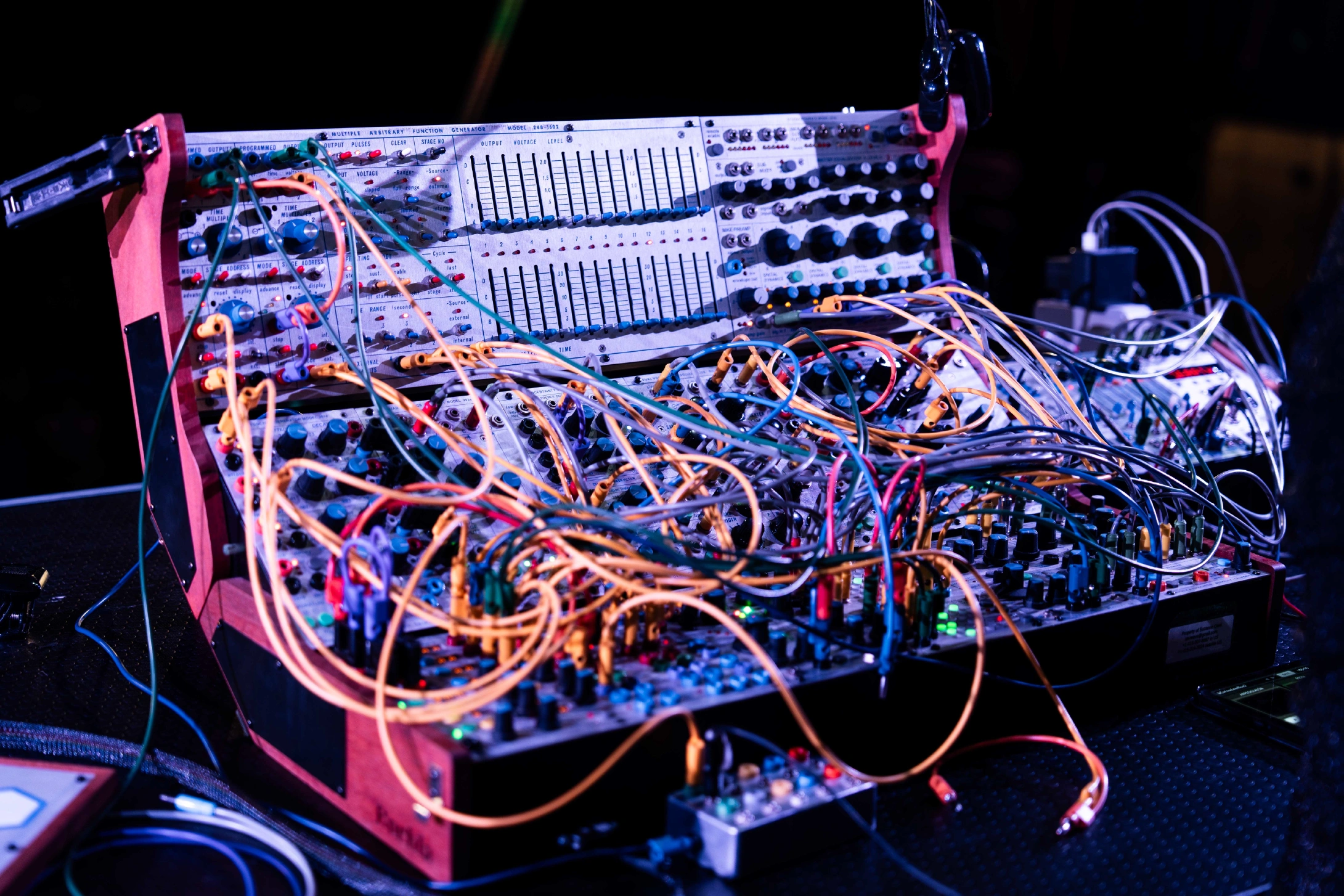
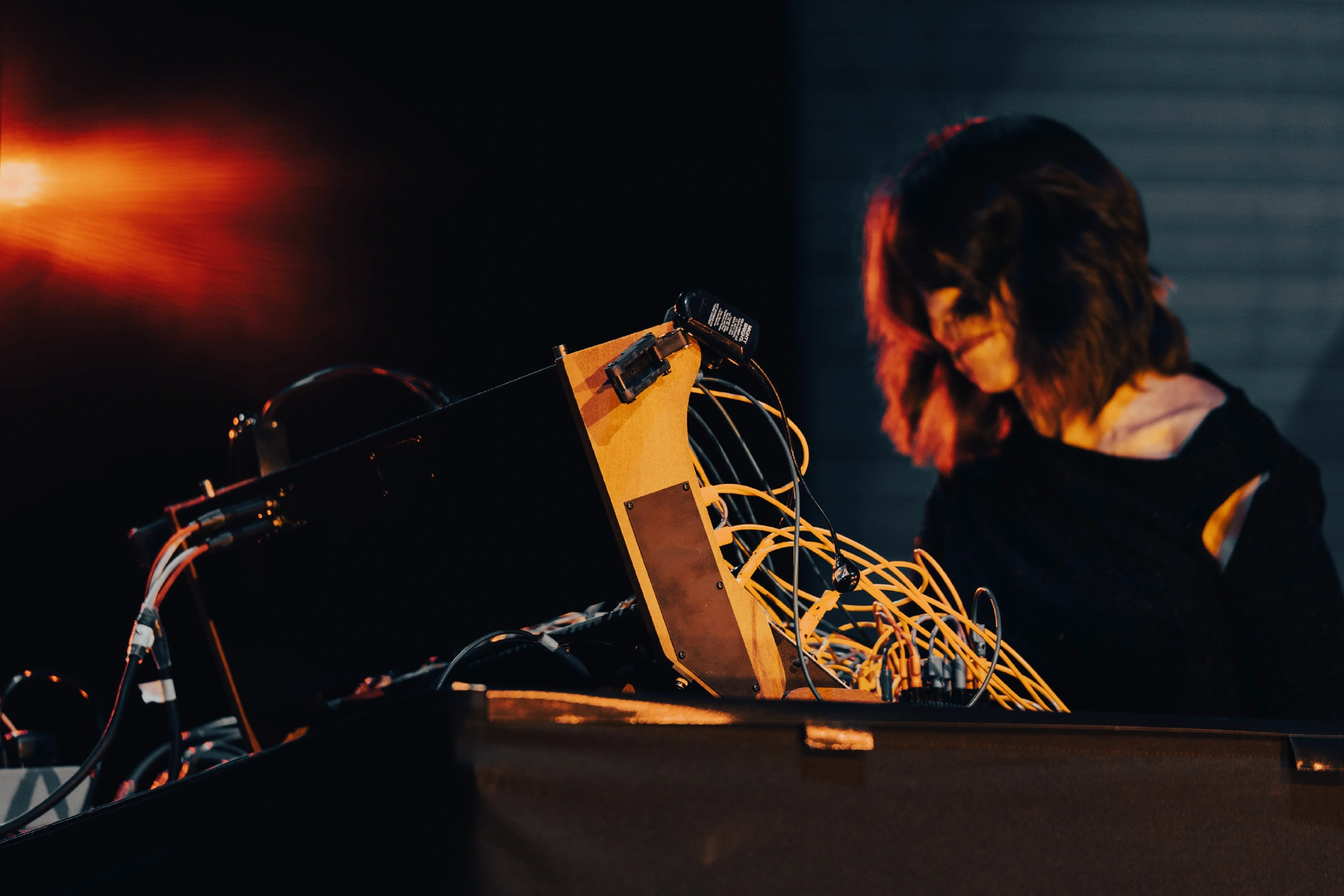
Google Suzanne Ciani and you will find so many names attached to her: “Diva of the Diode” and “America’s first female synth hero.” She has been nominated for five Grammy Awards. She created Coca-Cola’s famous “Pop ’n Pour,” the sound of a bottle opening and soda being poured. Her vocoder-treated voice became the first female voice heard in a pinball machine, Bally’s Xenon. Add film scores, commercial sound design and countless other sounds, and it is easy to get lost in the list and wonder what tonight’s show will be like. But when she steps on stage, she is an electronic musician, plain and simple. Since her return to live performances around 2016, she has been playing regularly again. Tonight she has brought her signature Buchla 200e to Auckland.
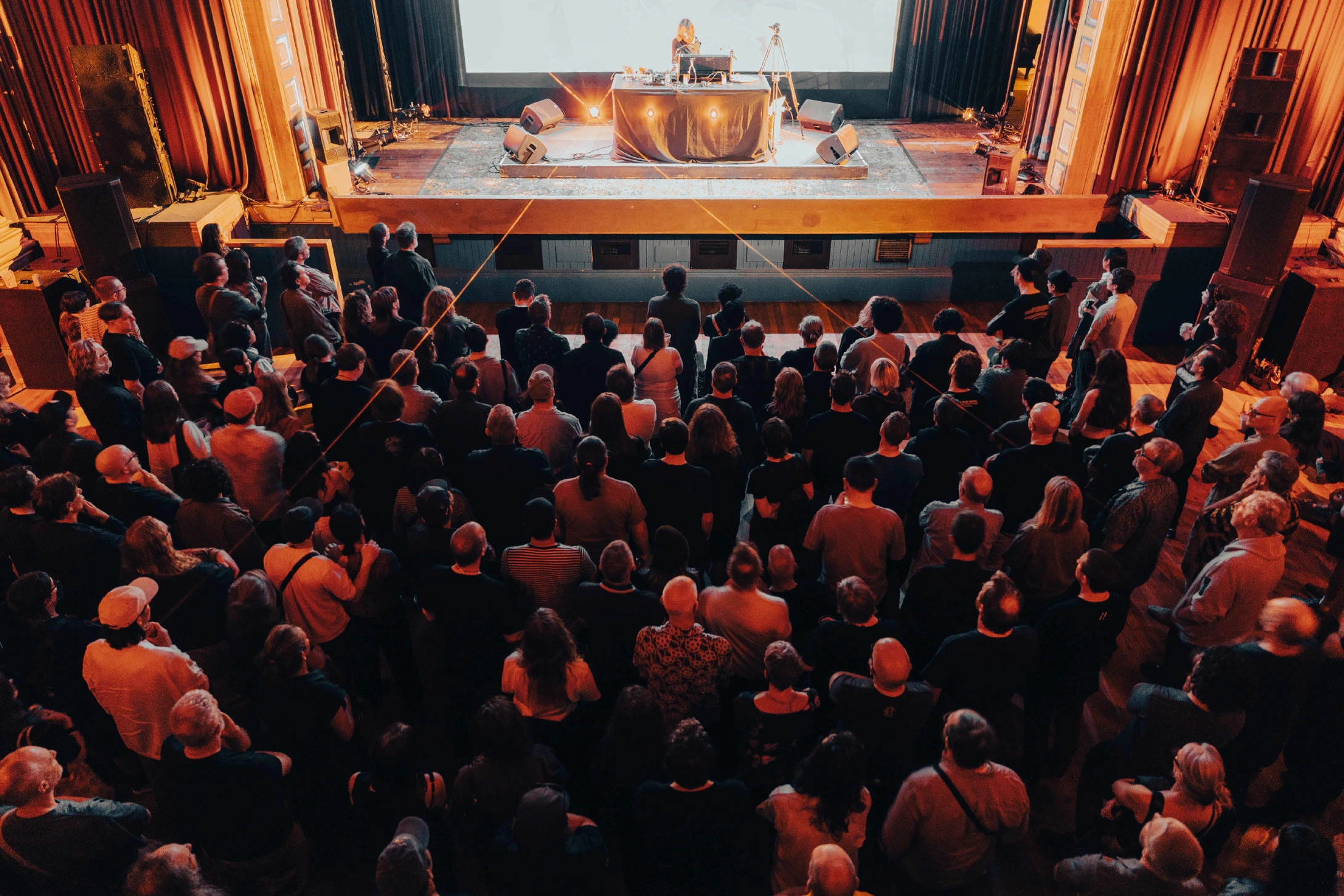
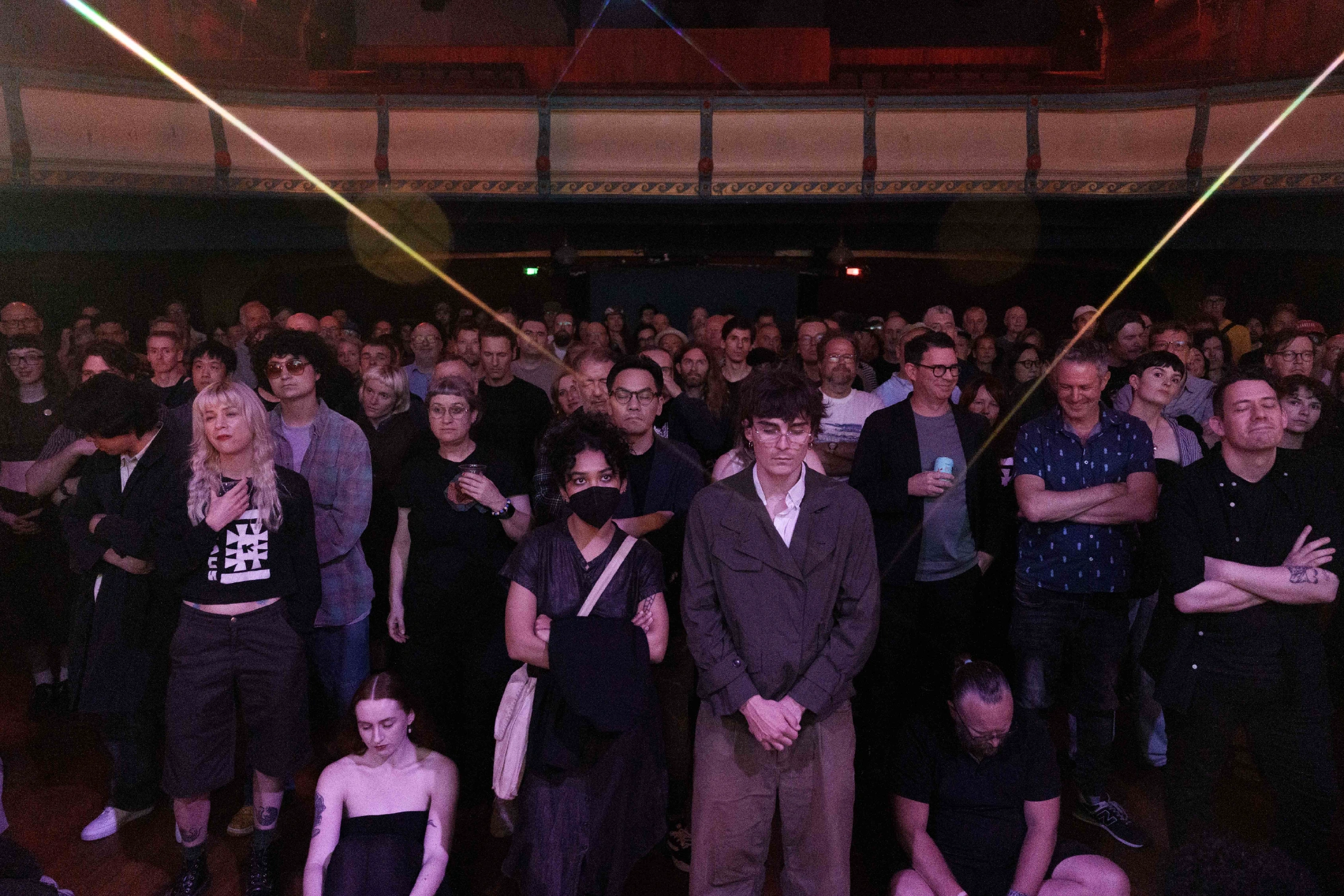
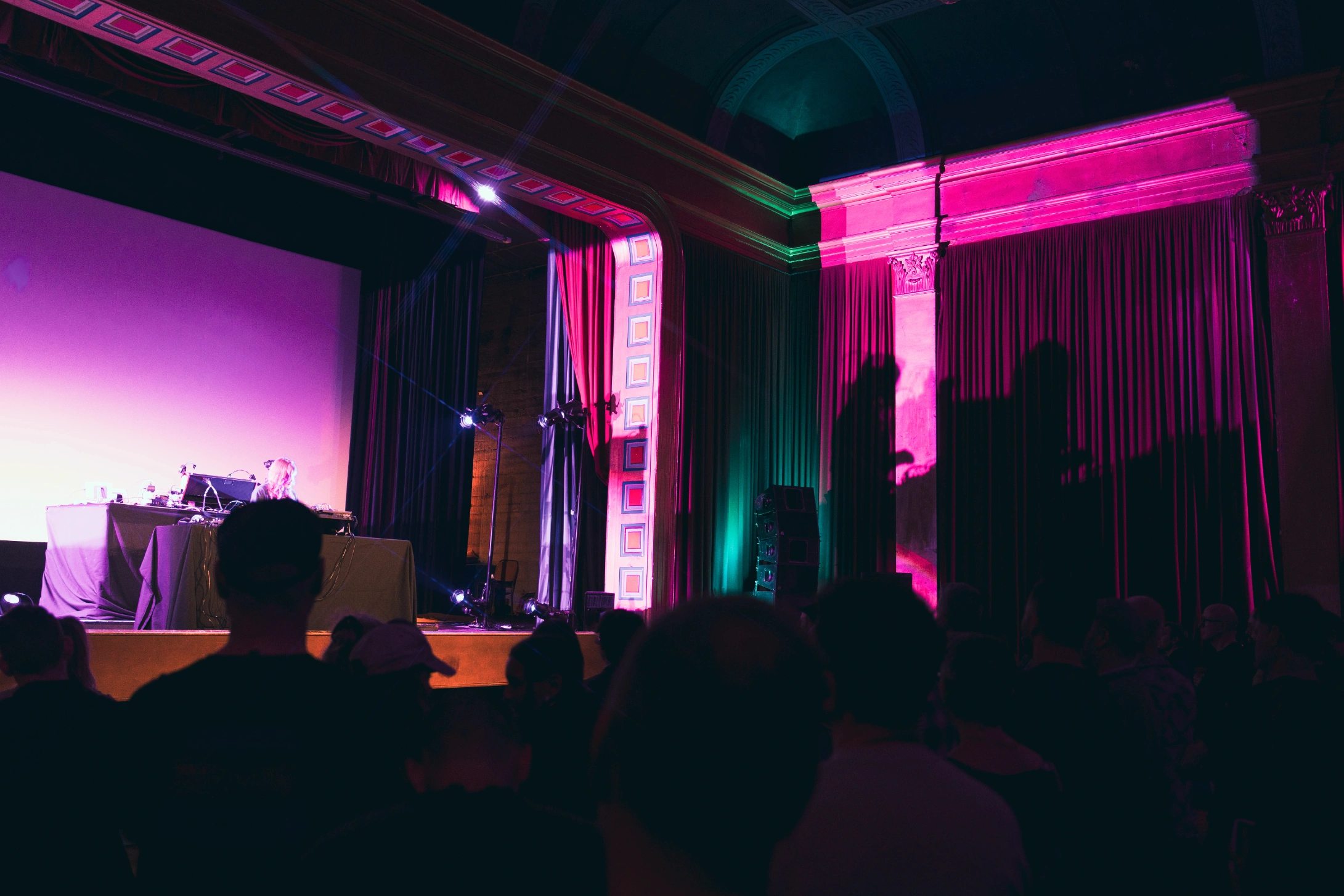
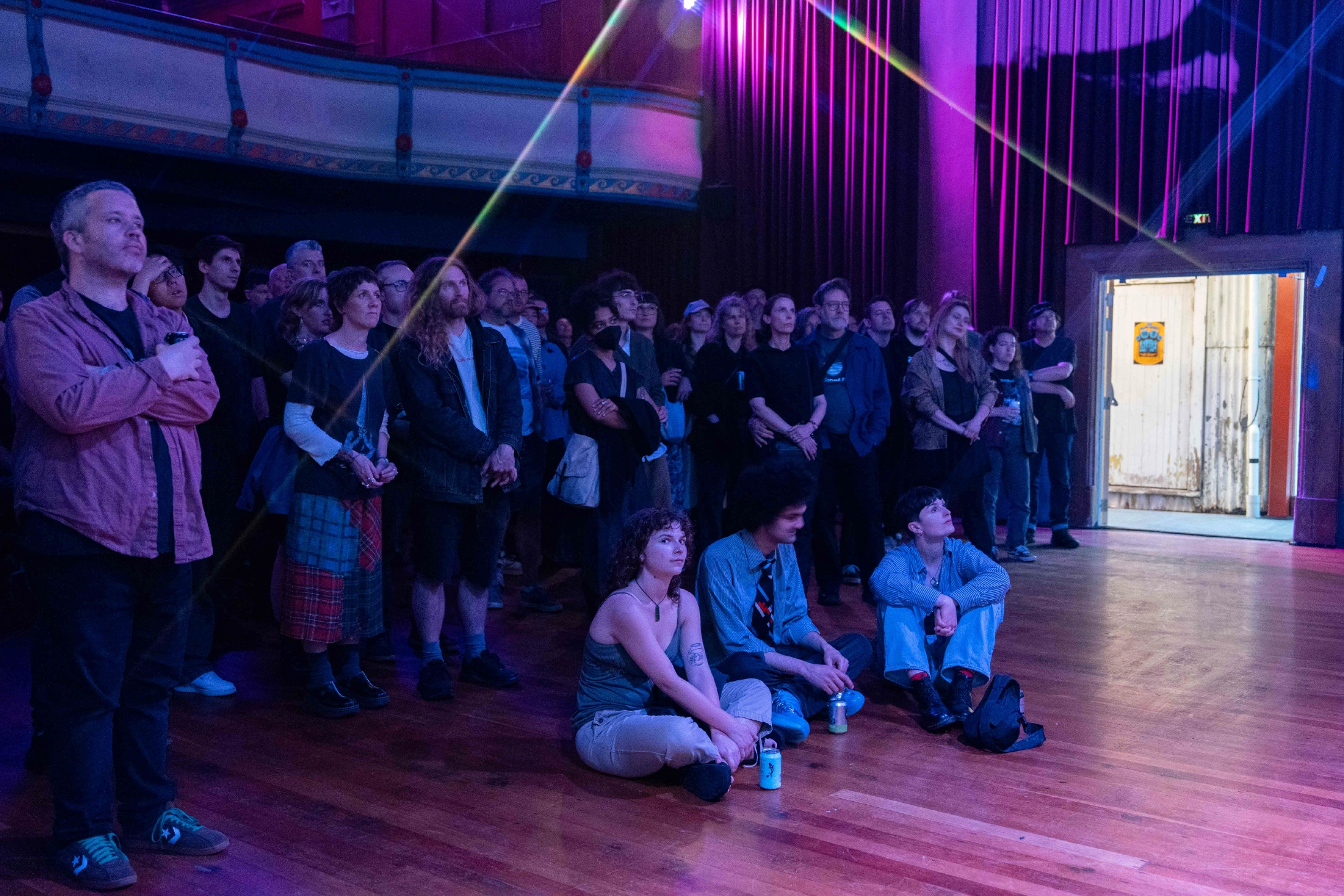
I could not think of a better venue for her than the Hollywood Avondale. Four groups of speakers were placed around the room, one in each corner, to recreate her signature quadraphonic sound. That meant the best experience was inside the rectangle formed by the speakers. Sadly, people seated farther back were outside that field. The audience filled the space inside the speaker arrangement without making it feel crowded. It was just right for this performance.
Dream Chambers
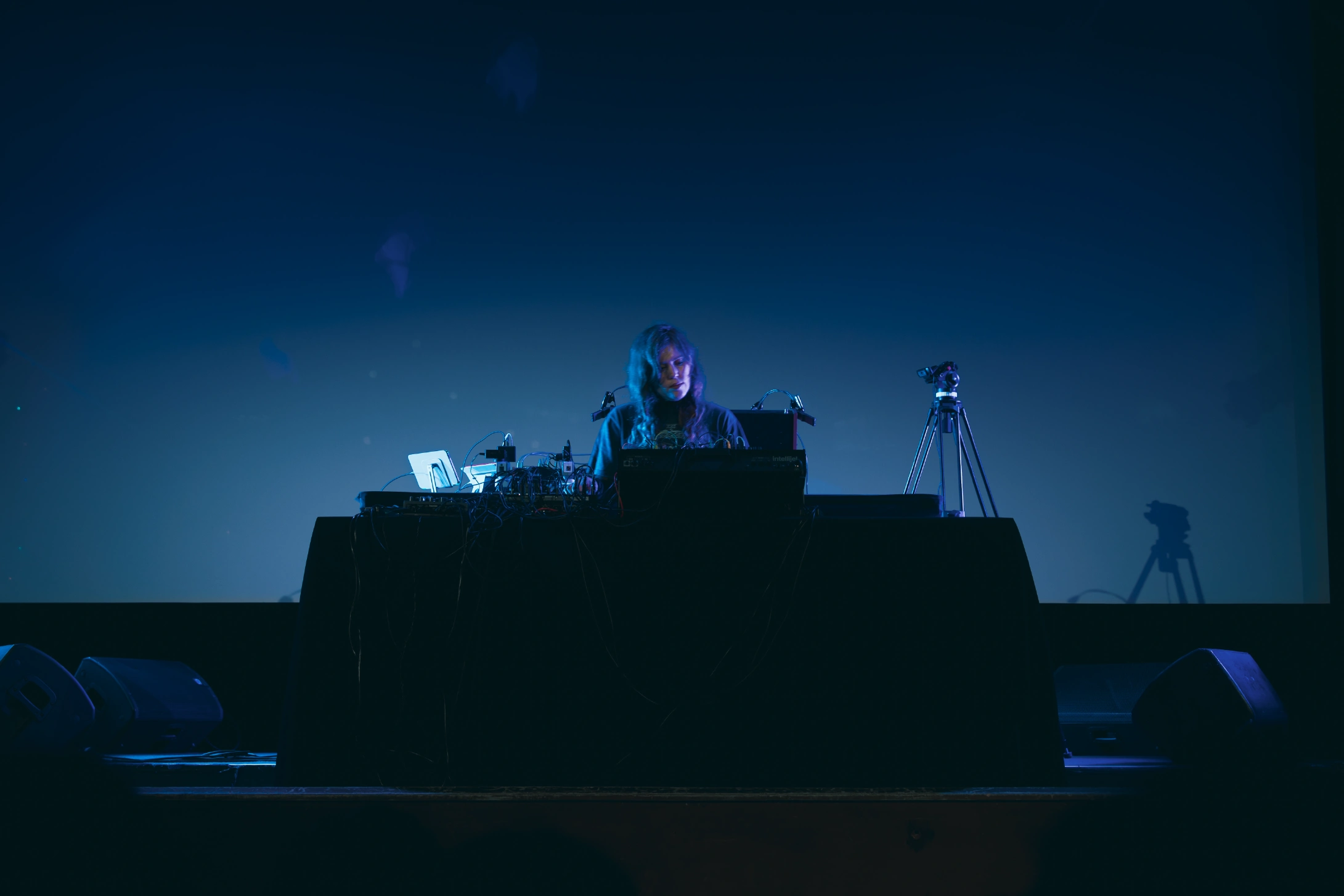
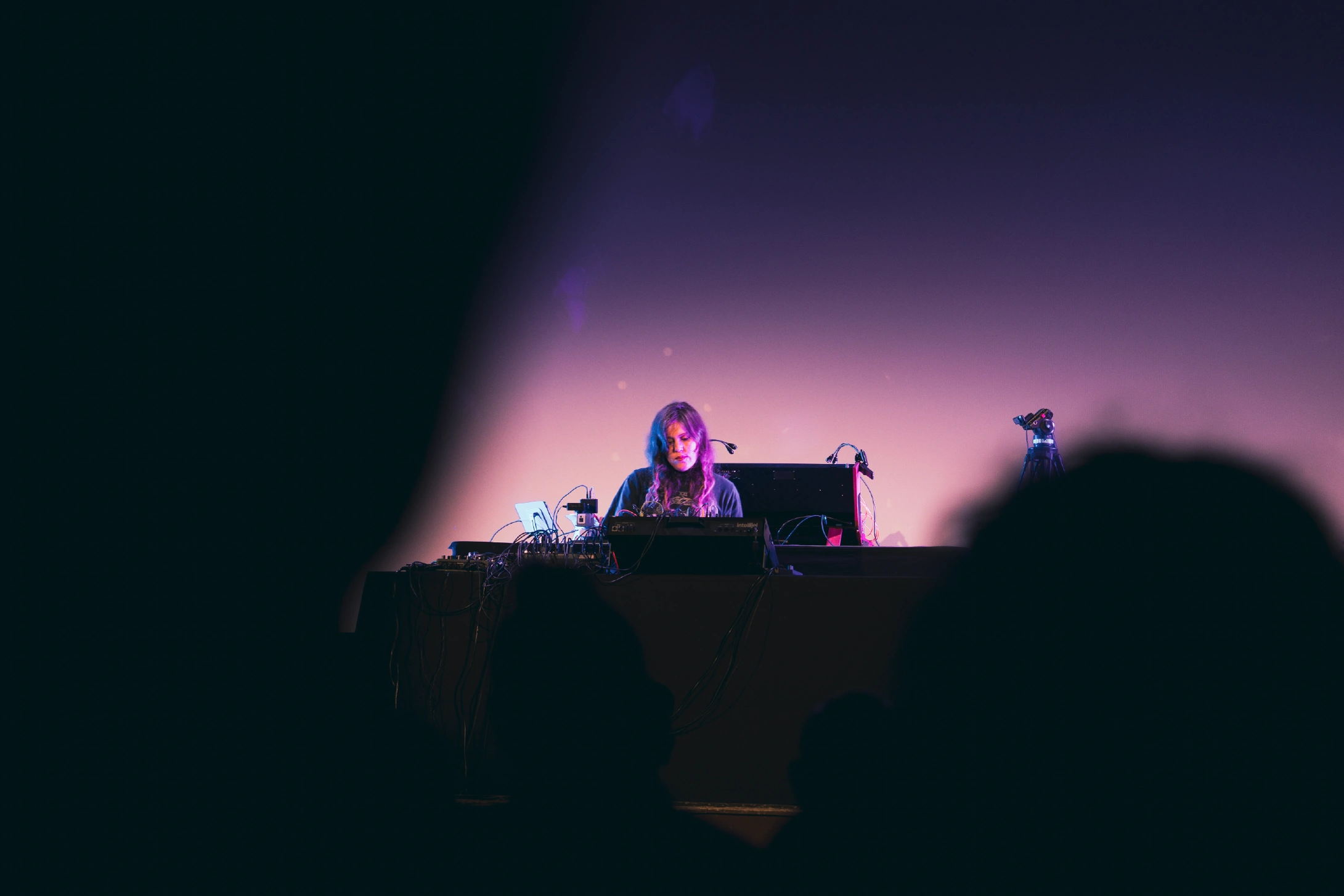
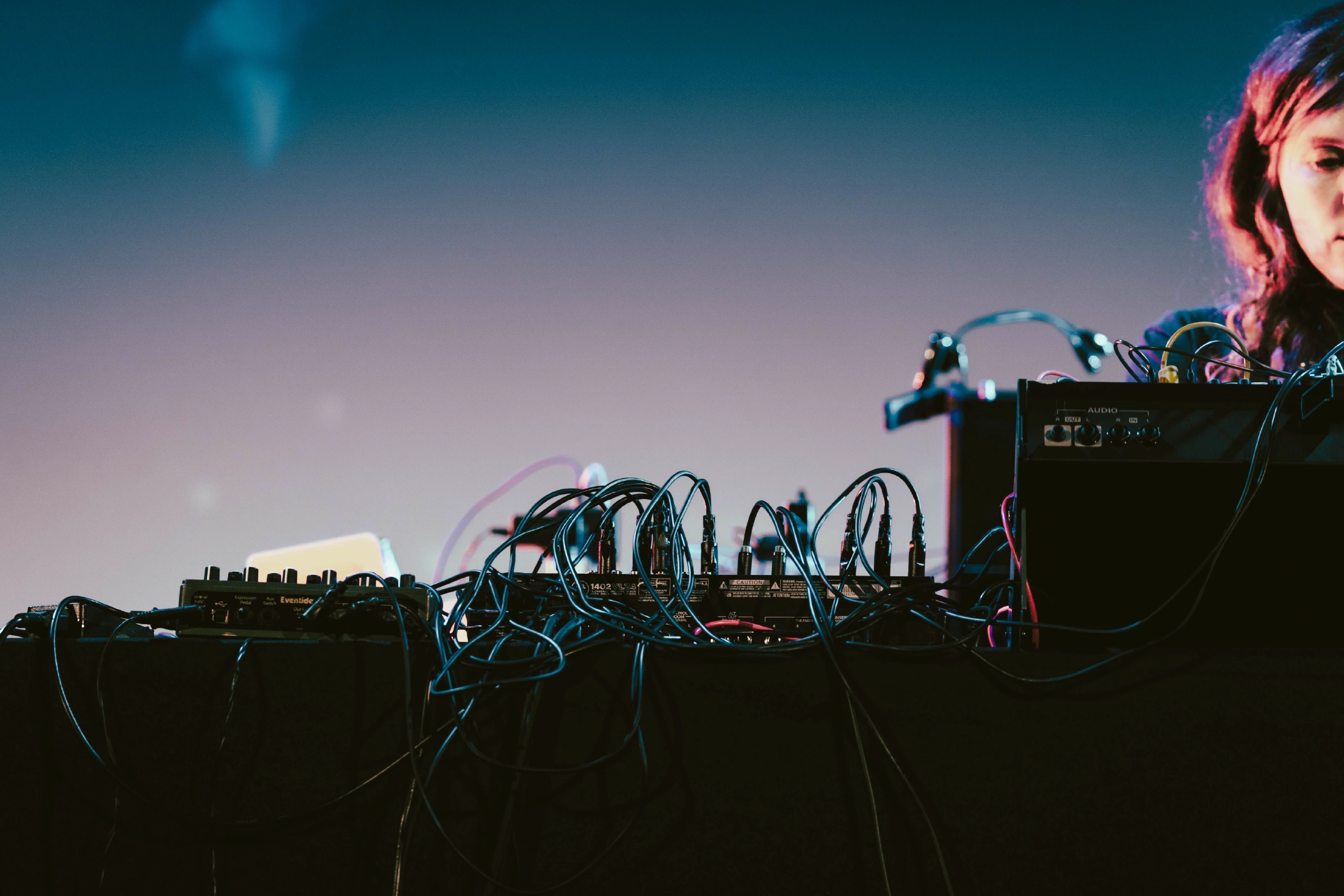
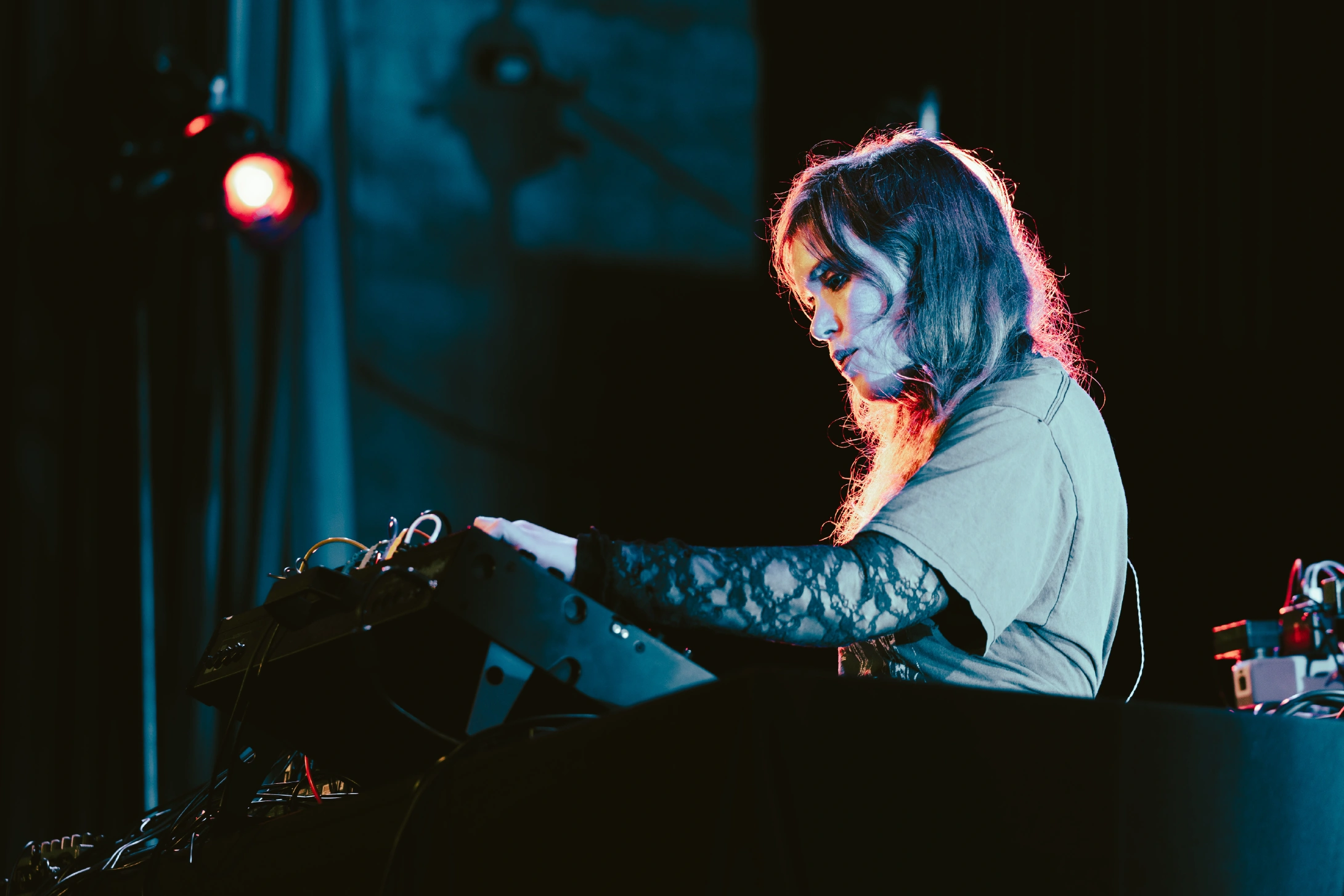
First up was Dream Chambers, the musical project of Jess Chambers. I had seen her open for Agnes Obel just two months earlier, and this performance carried the same quiet magic. Her main instrument was an Intellijel modular synthesizer. Intellijel is a maker of Eurorack modules, and the approach Jess used shares a lot with the West Coast style Suzanne Ciani has mastered.
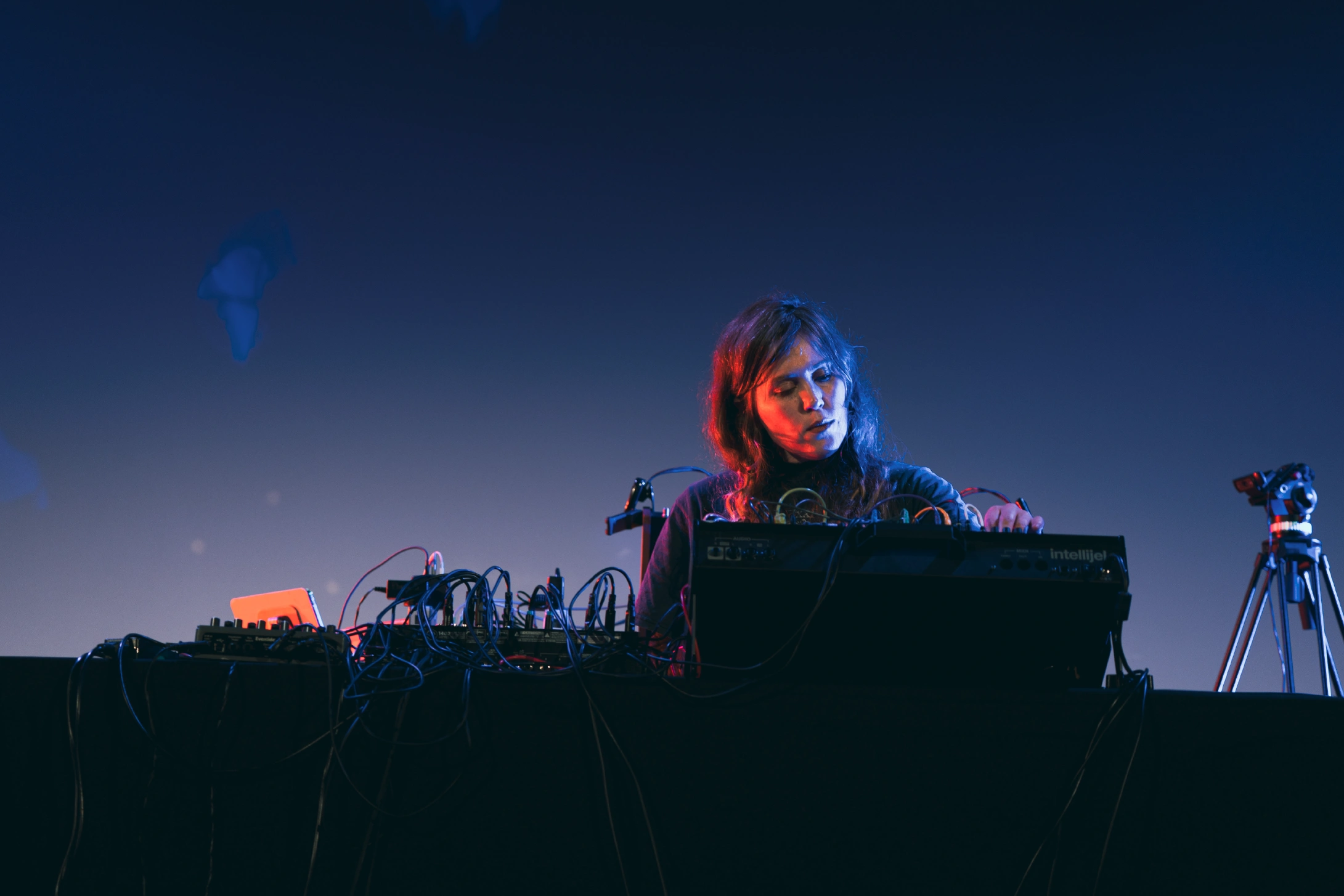
Both begin with simple waveforms and build up harmonics through techniques such as wavefolding and frequency modulation. They also make use of the low pass gate, which combines filtering with volume control. As a sound fades, it can take on the soft, woody decay of a struck instrument, like a xylophone or hand drum.
Jess worked with real care, slowly drawing the audience into her atmosphere. In the brief quiet spaces, people clapped and called out. When the last sound faded away, her set ended in silence.
Suzanne Ciani
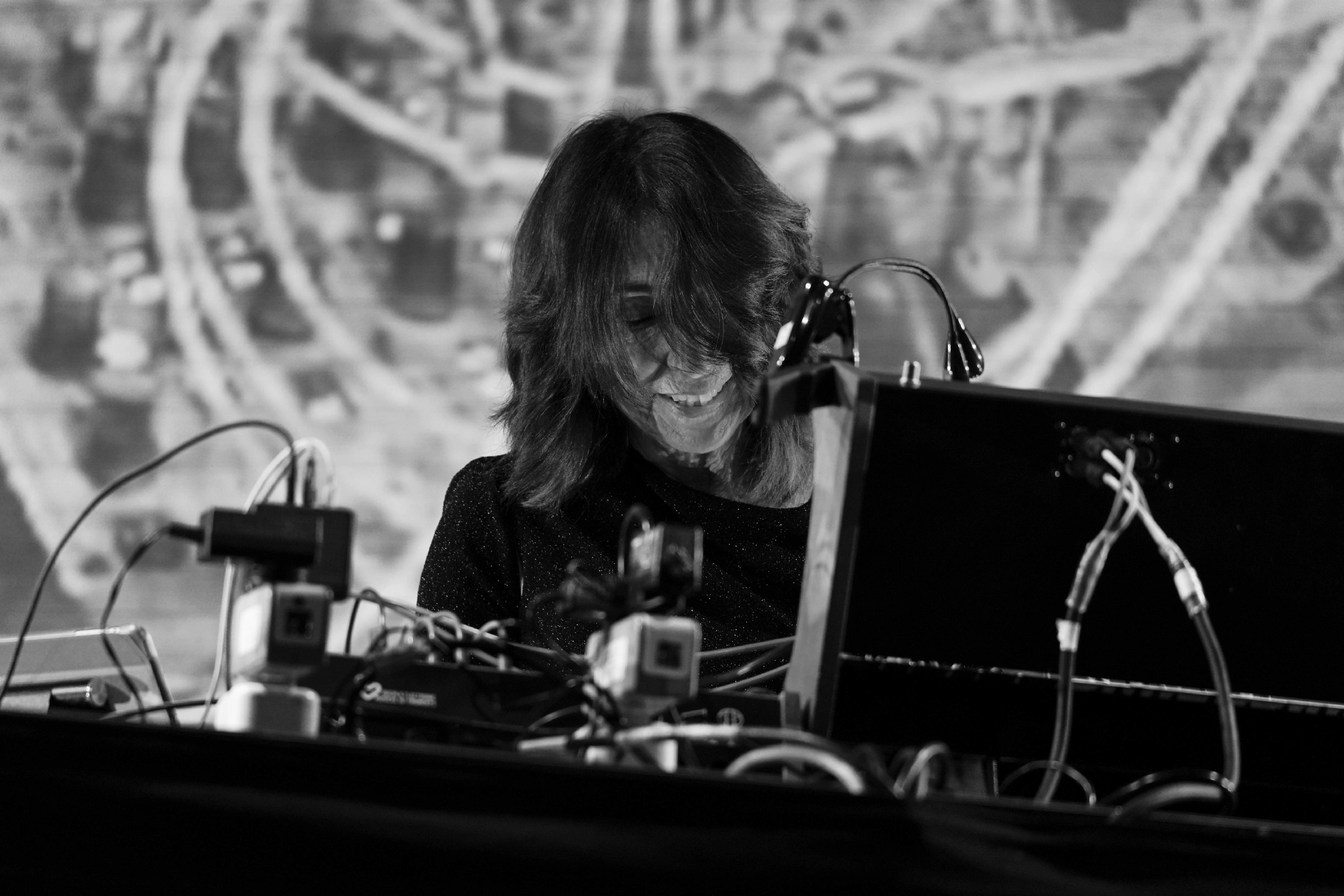
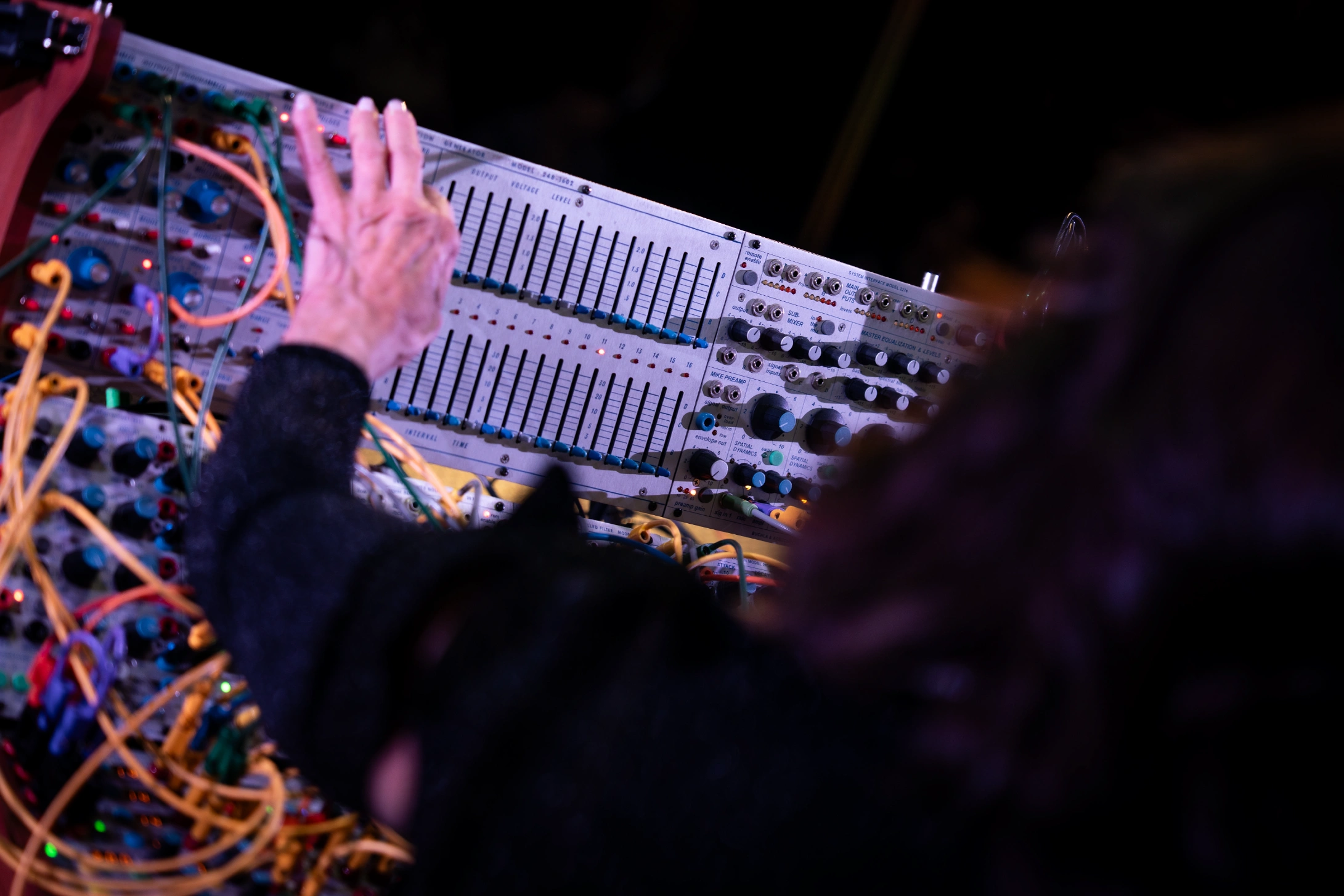
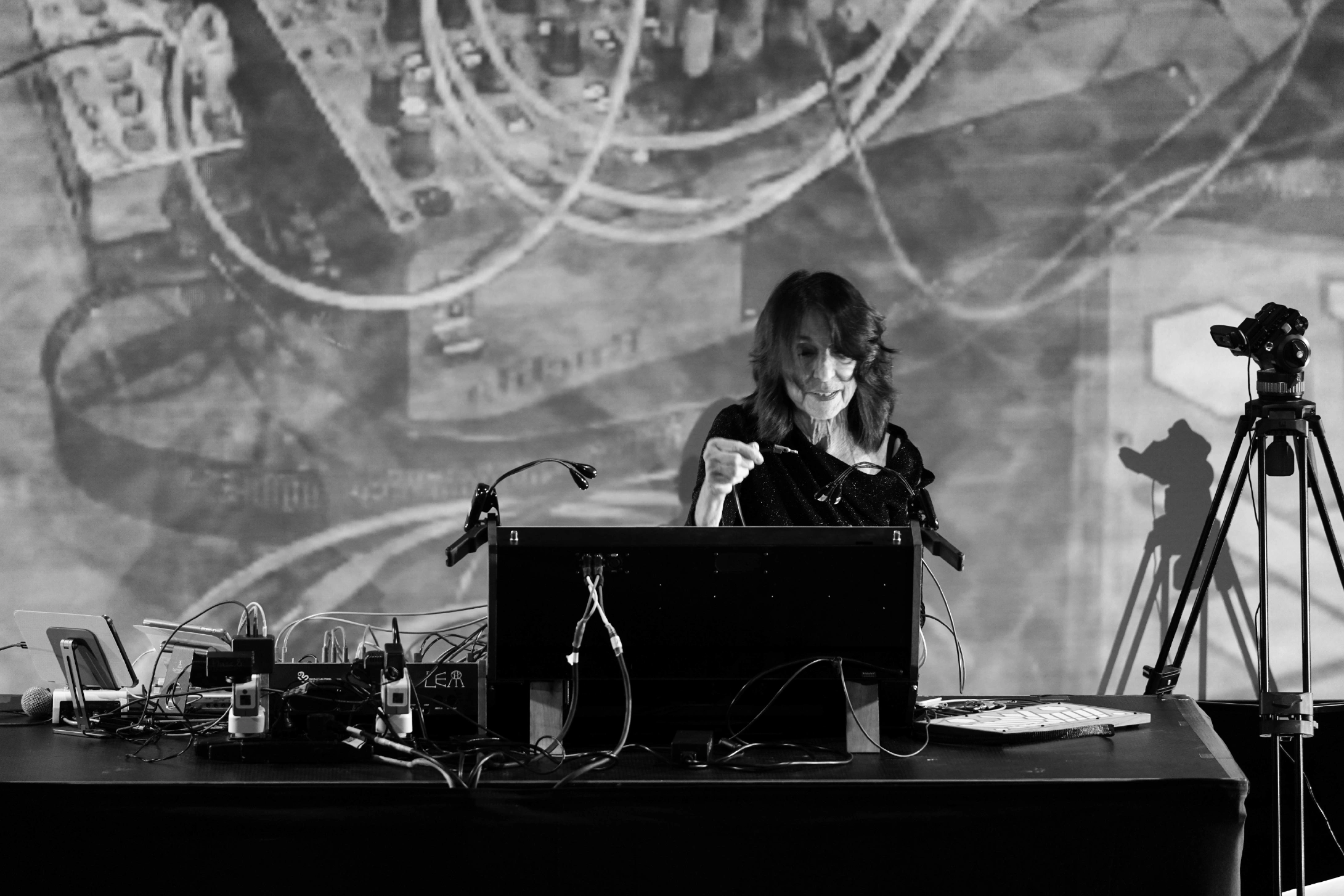
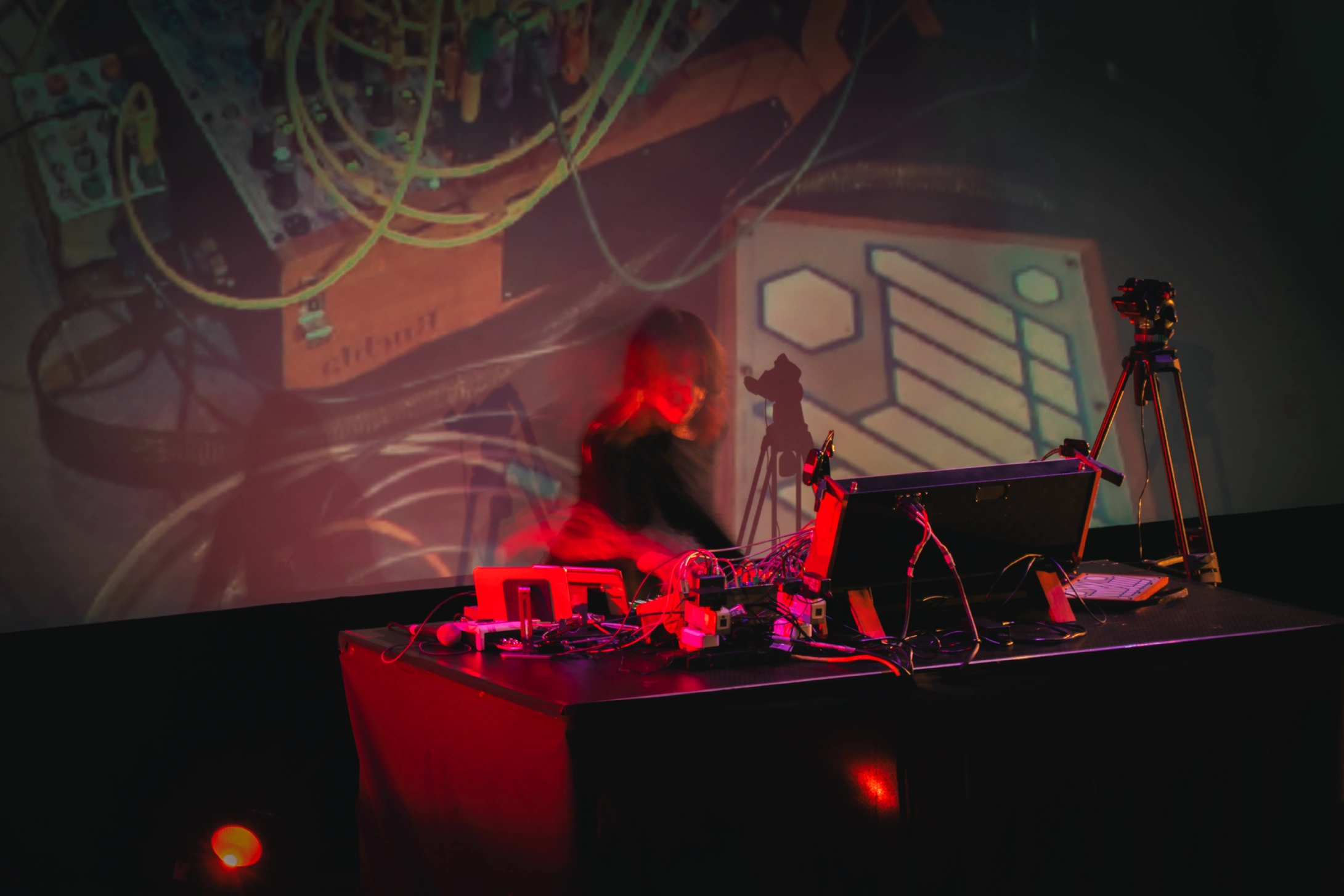
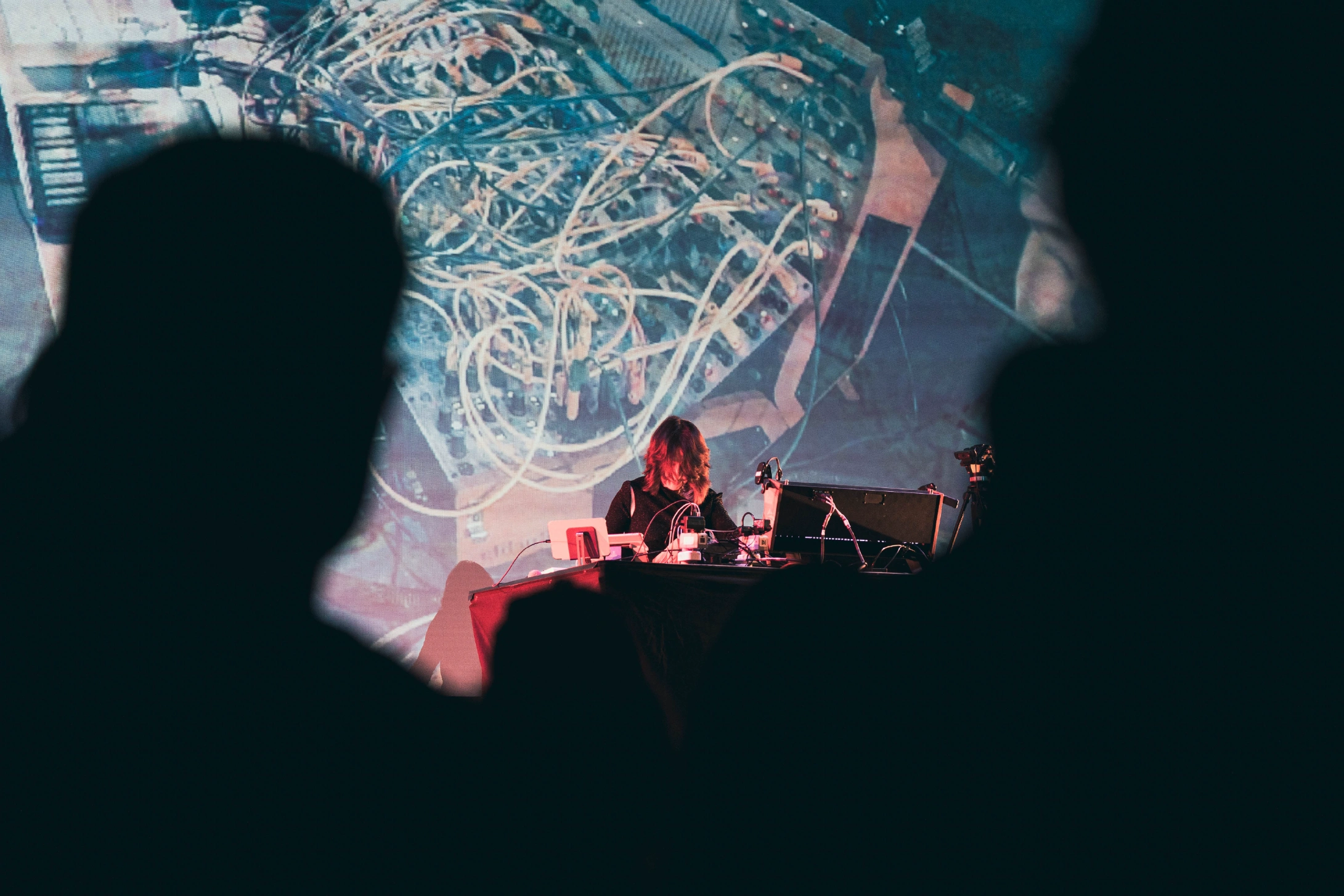
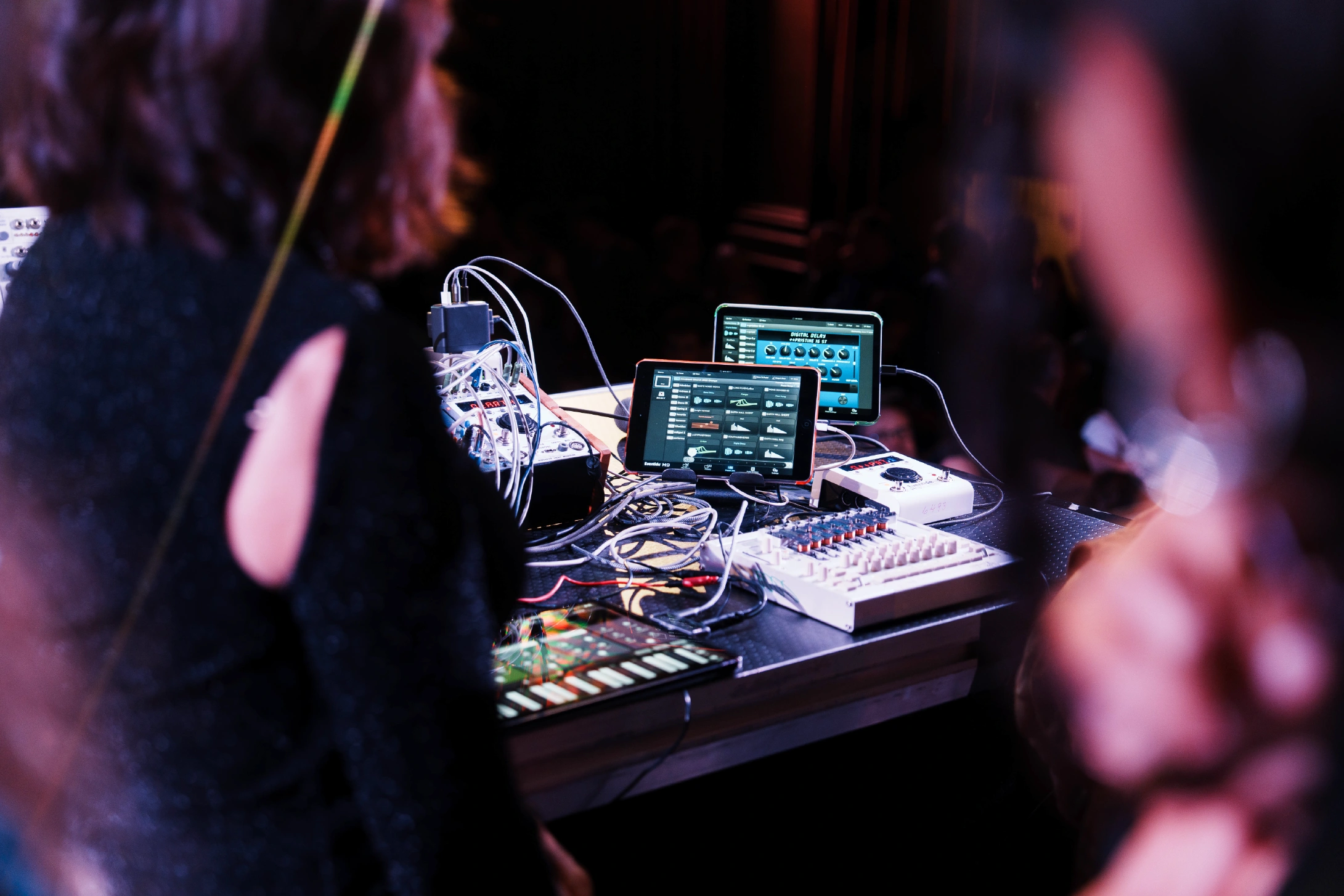
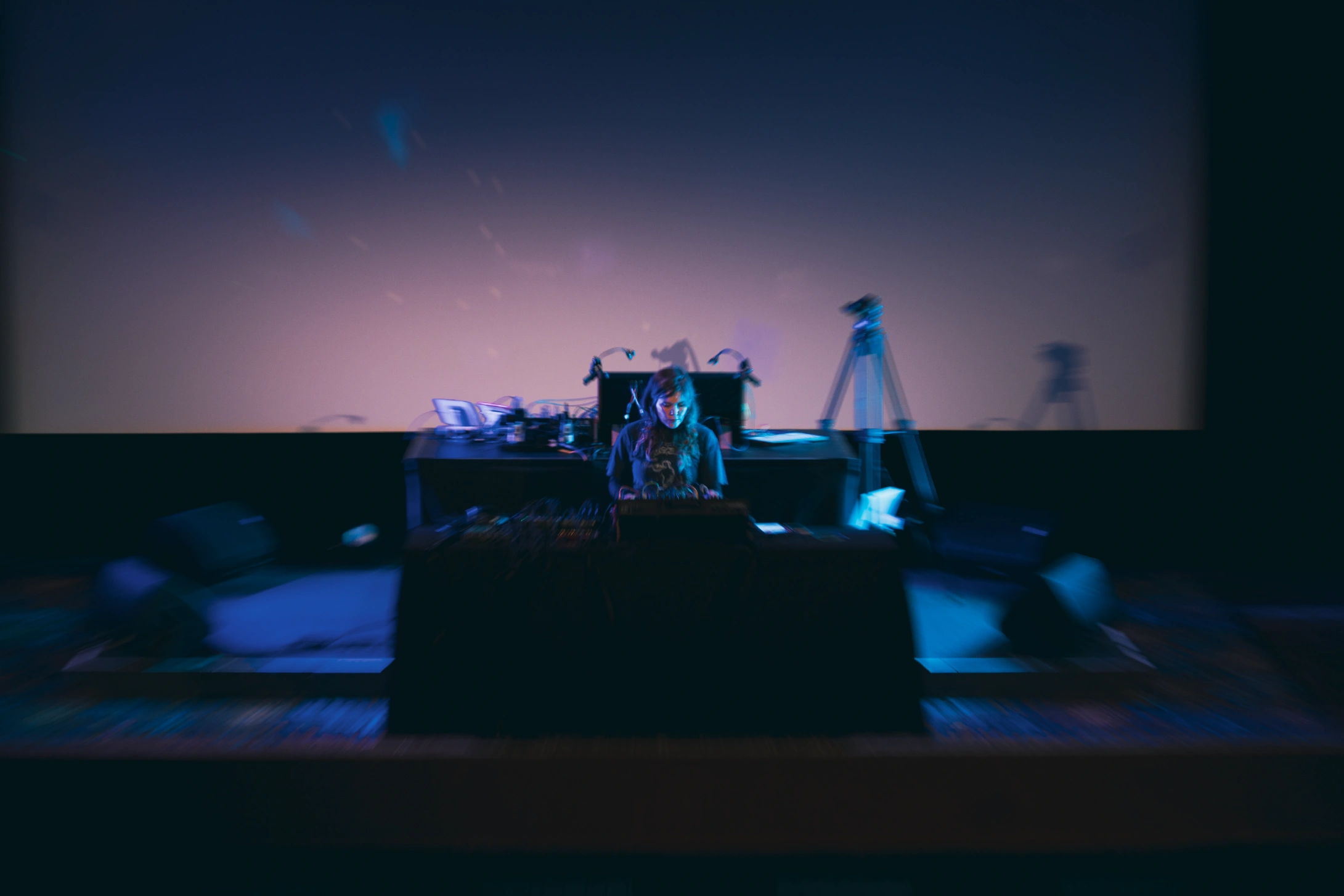
After Jess’s gear was taken off stage, Suzanne’s setup stood at the centre. Four monitor speakers, one at each corner of the table, made a small scale version of the quadraphonic arrangement. A camera was set up beside her, and the projector behind her came on, showing the equipment on the table. We were meant to see Suzanne at work on the screen, if everything went as planned.
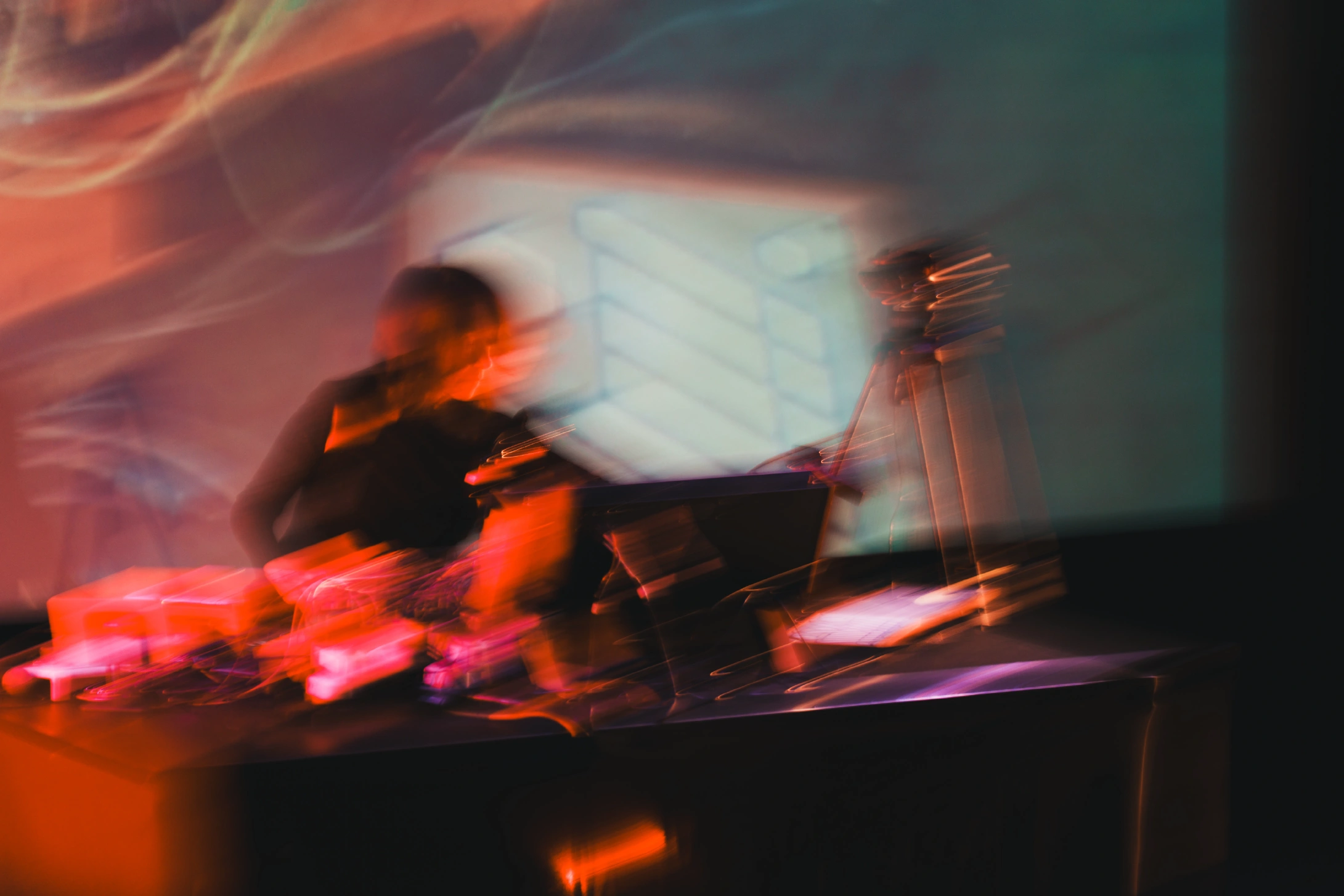
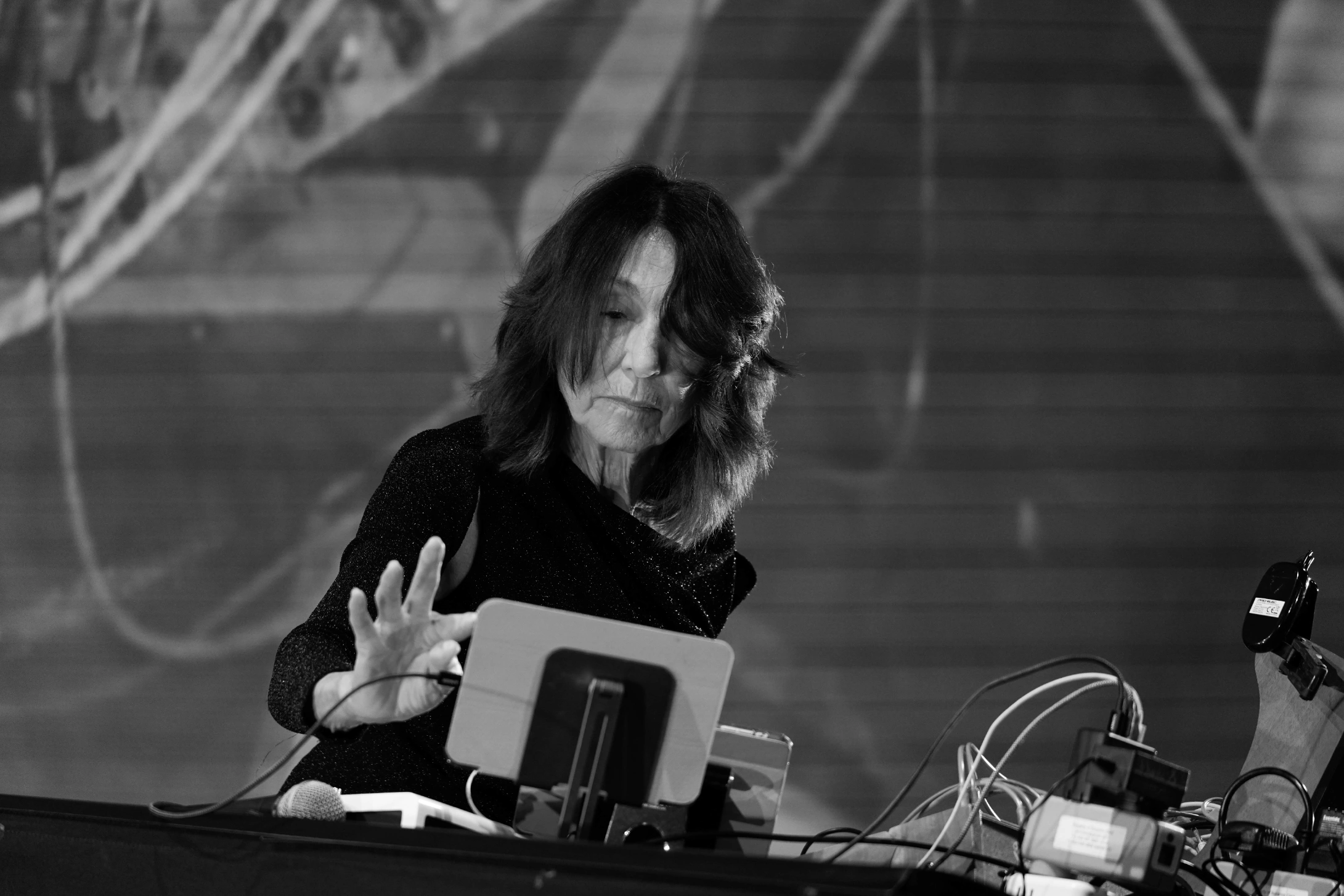
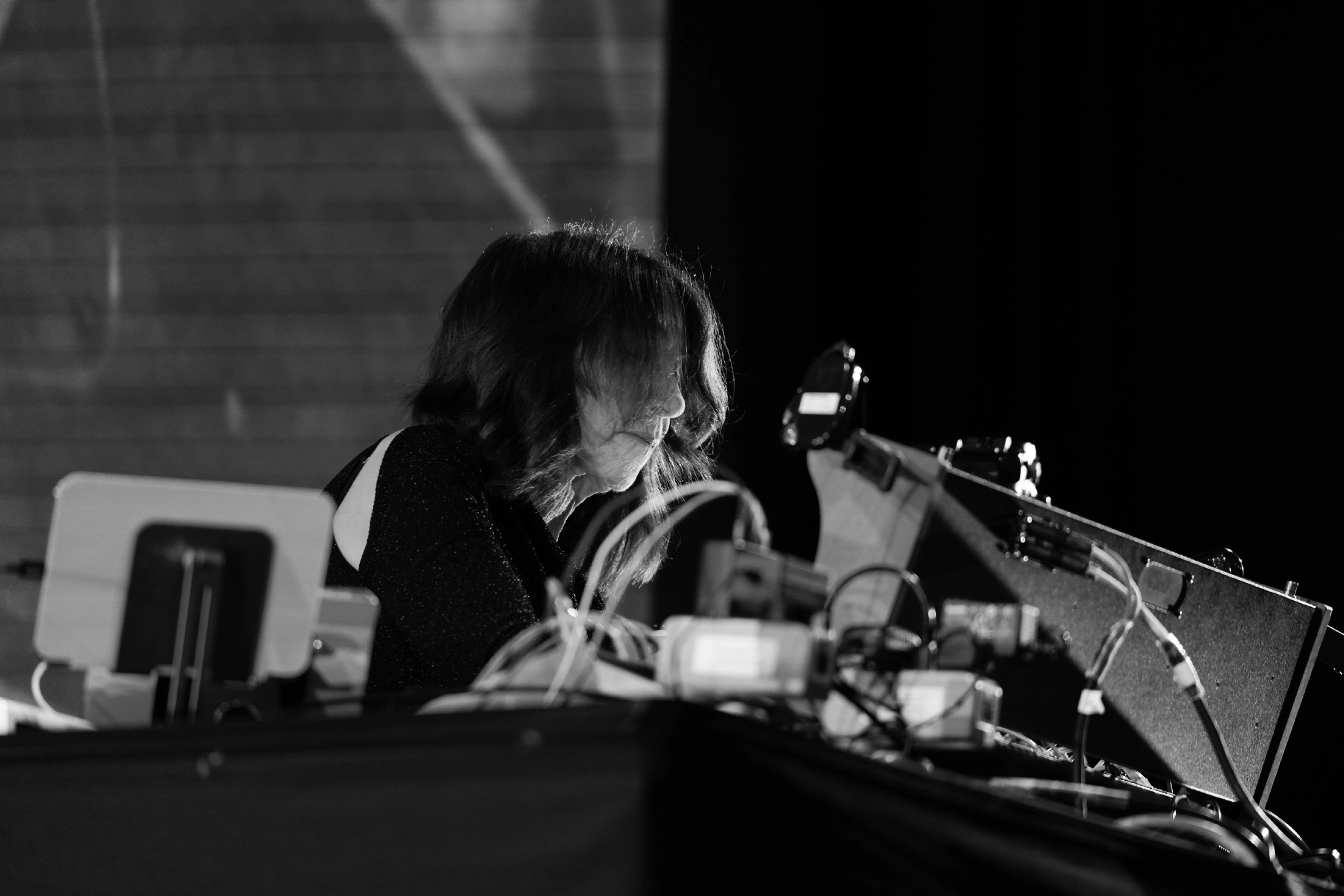
Suzanne walked on to cheers from the crowd and began playing without a word. I heard wind, an imagined wind, then birdsong. I felt as if I were deep in the natural world. Sounds and colours began to gather, one by one, from almost nothing. A kaleidoscopic video unfolded on the screen, shifting and turning in time with the changing tones.
Suzanne cares deeply about the shape of sound. In interviews from the 1970s, she showed people the waveforms of different sounds on an oscilloscope. You could look at sound, but you could also change its shape and make a new sound. That is one of the most beautiful things about electronic music. I imagine every sound we heard had a clear and lovely shape in Suzanne’s mind, though we could never know exactly what it was. There is something bittersweet in that.
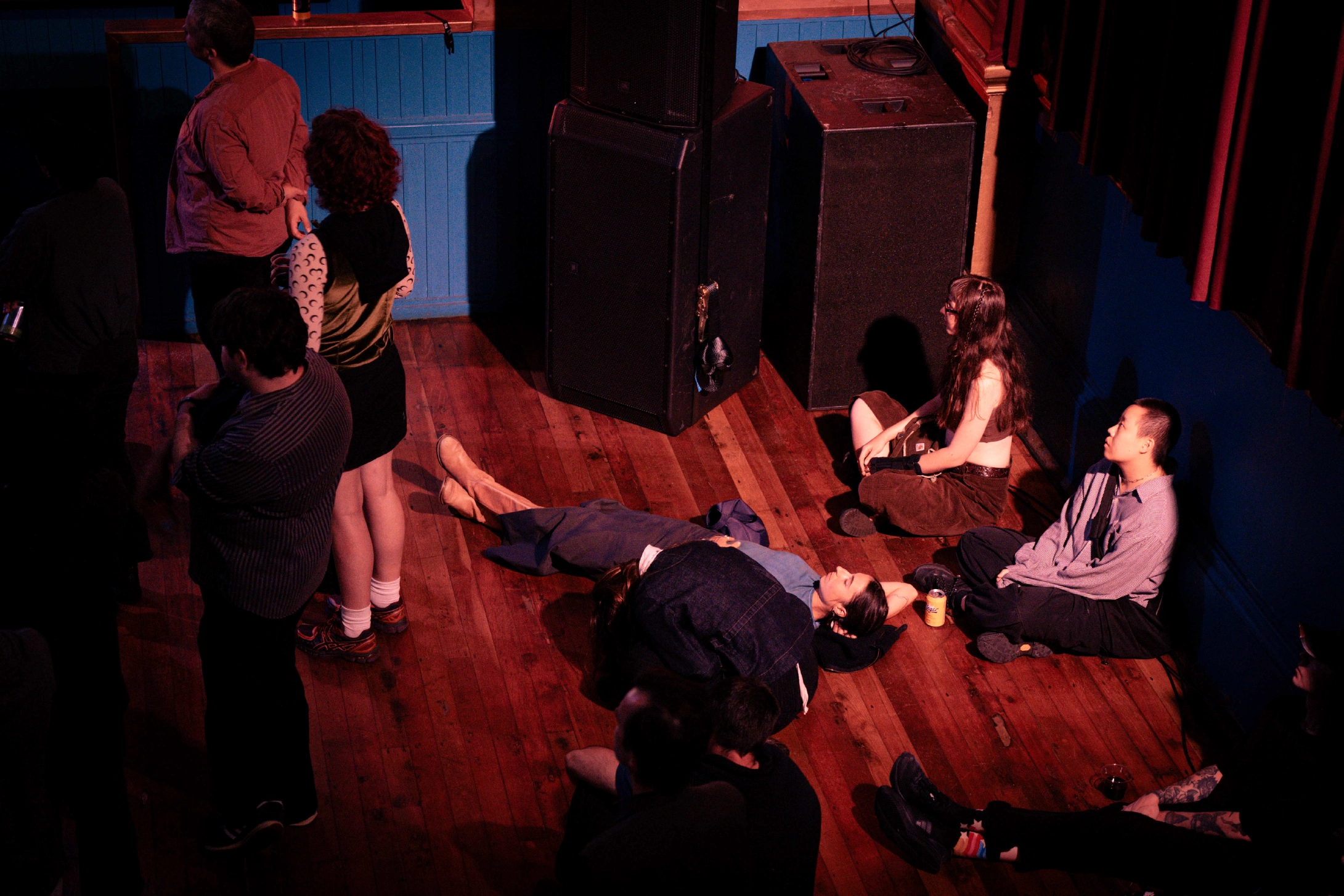
As a photographer, moving around is my silly little privilege. I was the only person in the room on the move, searching for different angles and watching the crowd. People near the front sat on the floor. Two girls even lay down on it. They knew how to enjoy themselves. Falling asleep to this music would be a kind of bliss. Some people use “sleepy” to mean boring, but to me, music that can gently send me to sleep is the highest praise. It has to make me feel safe, calm and at ease. Suzanne had created exactly that feeling.
I should say, though, that sitting or lying down came with a trade off. Because of where the speakers were placed, the lower frequencies felt stronger near the floor, and the balance seemed to lose some of its high end. If you want to hear the performance as clearly as possible, standing is probably the better choice.
If you are filming a little video to remember the night, be careful. You may never know when to stop recording. There were no separate songs, just different sounds running through the whole performance. When a tone grew quieter and appeared less often, I thought it might be the end of a section. But it would return, again and again. By the time I had accepted it as part of the sound, it had turned into something else. The whole performance felt complete and indivisible.
The crowd did not know when to clap. In fact, no one dared make a sound. At one point I heard a small clicking noise and thought another reviewer was typing (that has happened). But it was Suzanne pressing buttons on the Buchla. That is how quiet the room had become.
About an hour in, I felt we had reached the high point. A bright, sharp, percussive sound burst out like lightning, moving so fast it seemed to sweep every thought from my head. I was standing in the middle of a tropical storm. The sky was dark. I was alone with the wind and thunder. It felt so real that sweat began to gather on my forehead. The sound seemed to warm my whole body.
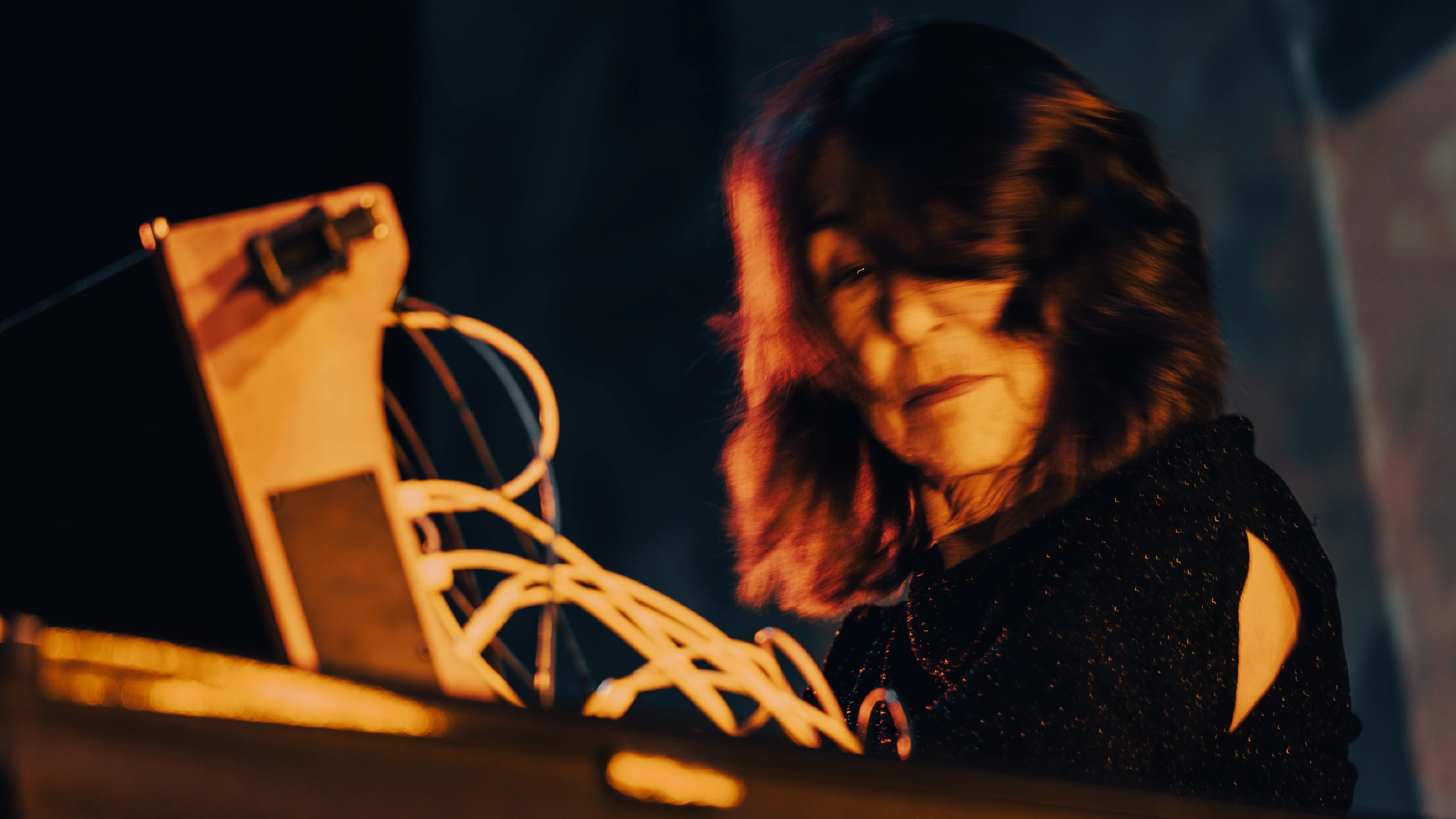
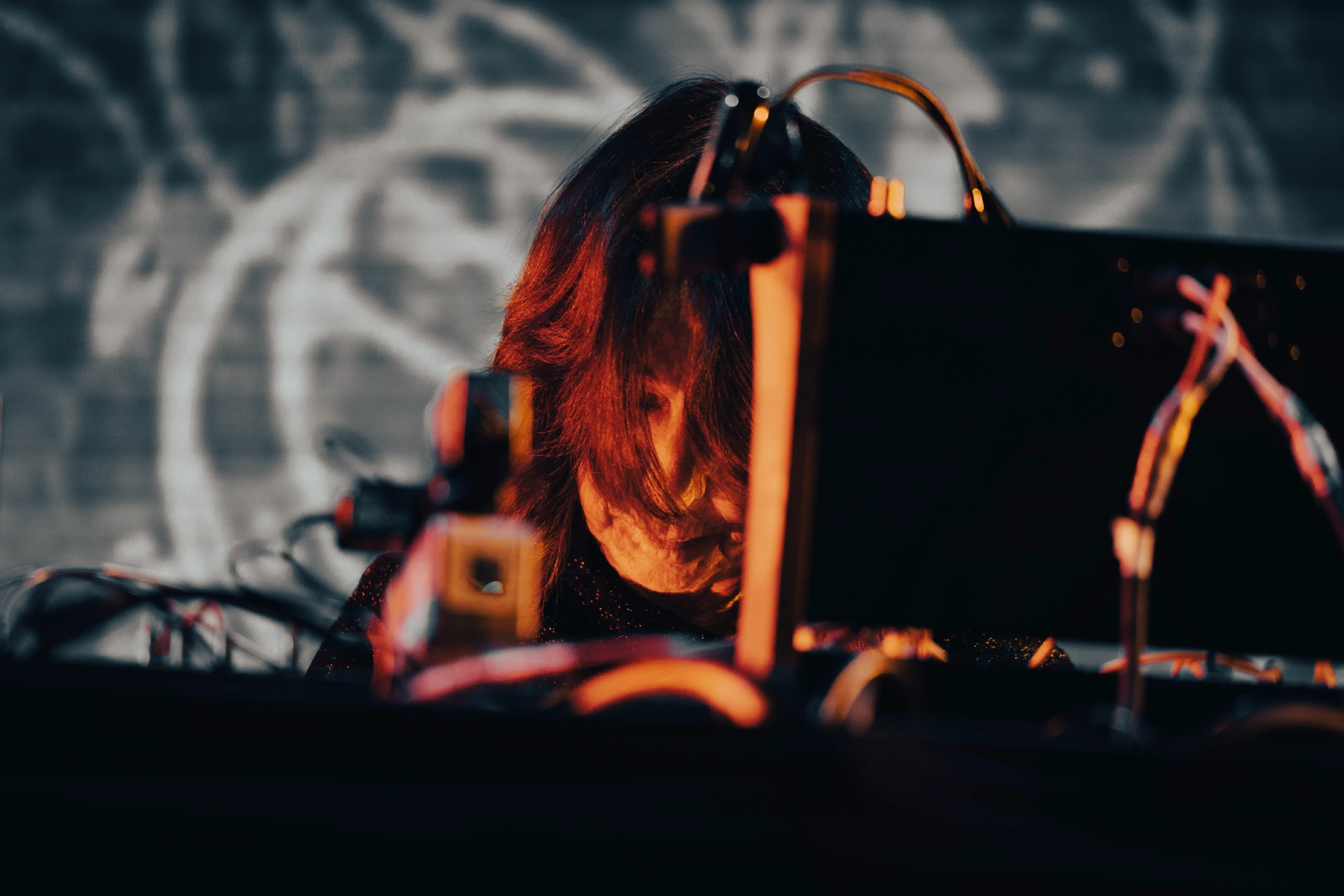
I have a hard time describing how beautiful that felt. My body was responding before I could make sense of what I was hearing. It seemed to feel the music before my ears had caught up. I was also moved by the great machine in front of me, and by the way Suzanne could draw such powerful feeling from it. Red light fell across her face. I felt as though I were witnessing a supernova, with Suzanne as the creator shaping a whole world around us. She was magnificent.
In the end, the storm gave way to calm. I heard waves rolling in from behind me, one after another, washing up in front of me. Quadraphonic sound is tremendous. I do not know when I will get to hear anything like this again. When the birdsong from the opening returned, I knew the journey was nearly over. Our trip through an ancient forest and across the stars ended with Suzanne turning one last knob.
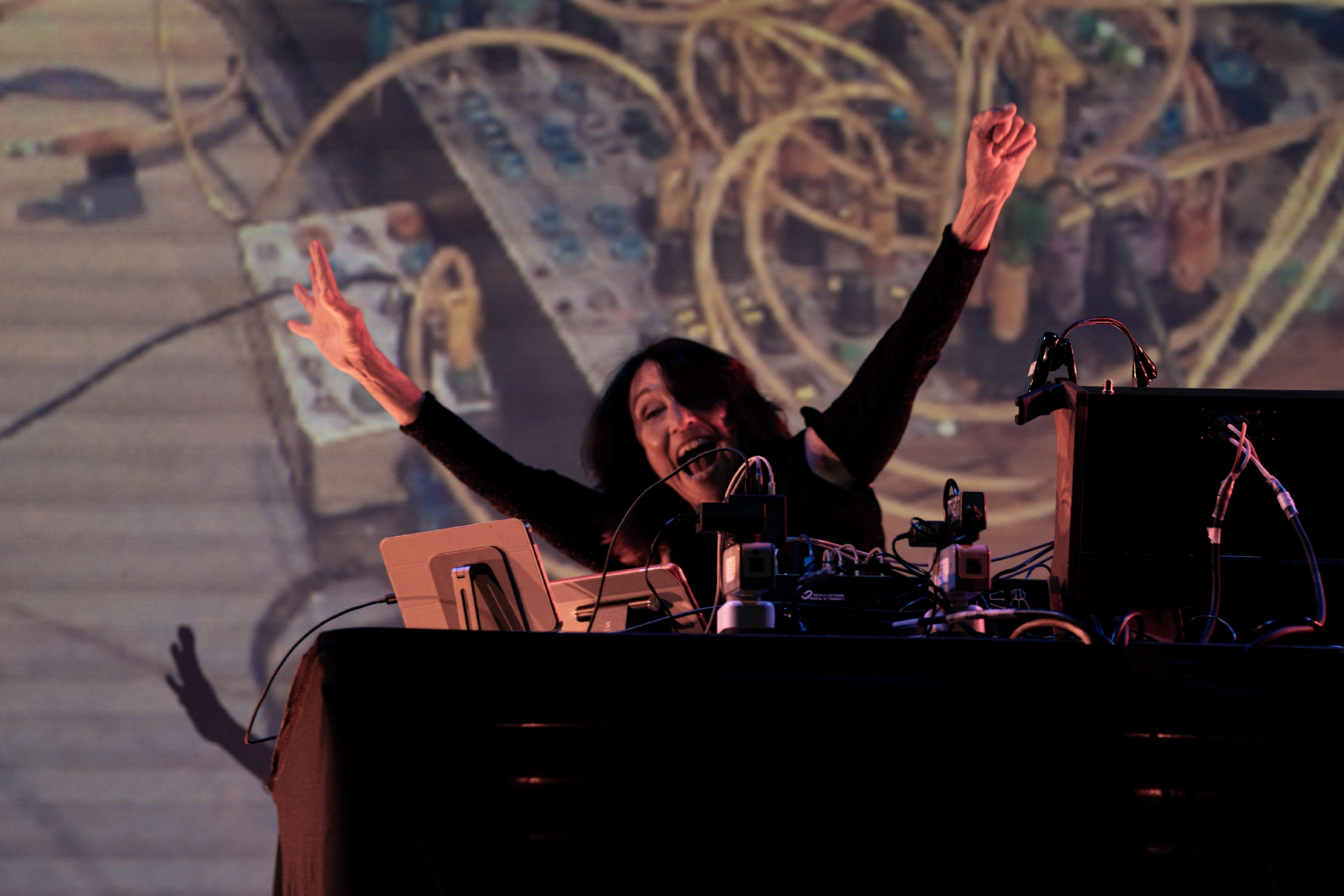
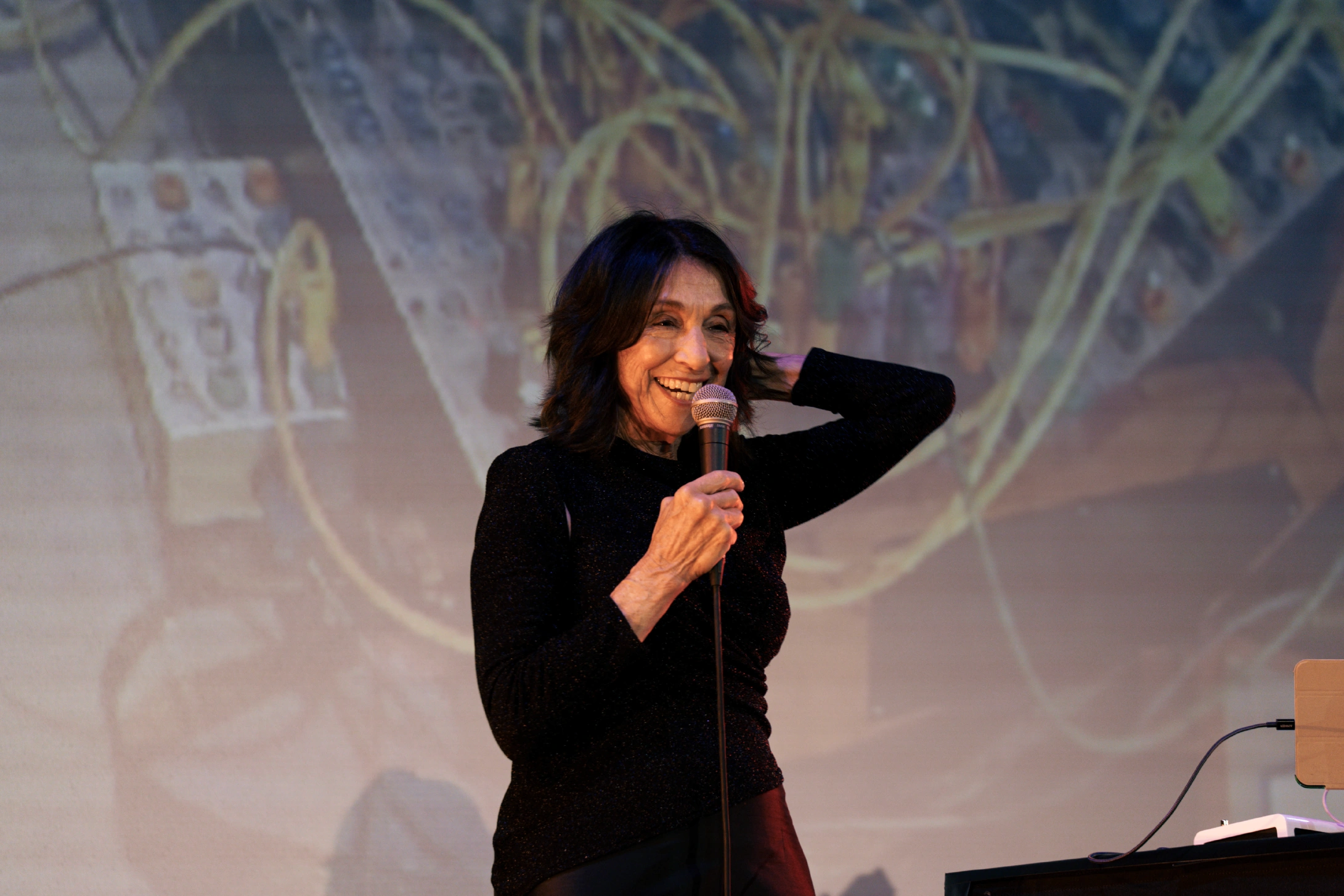
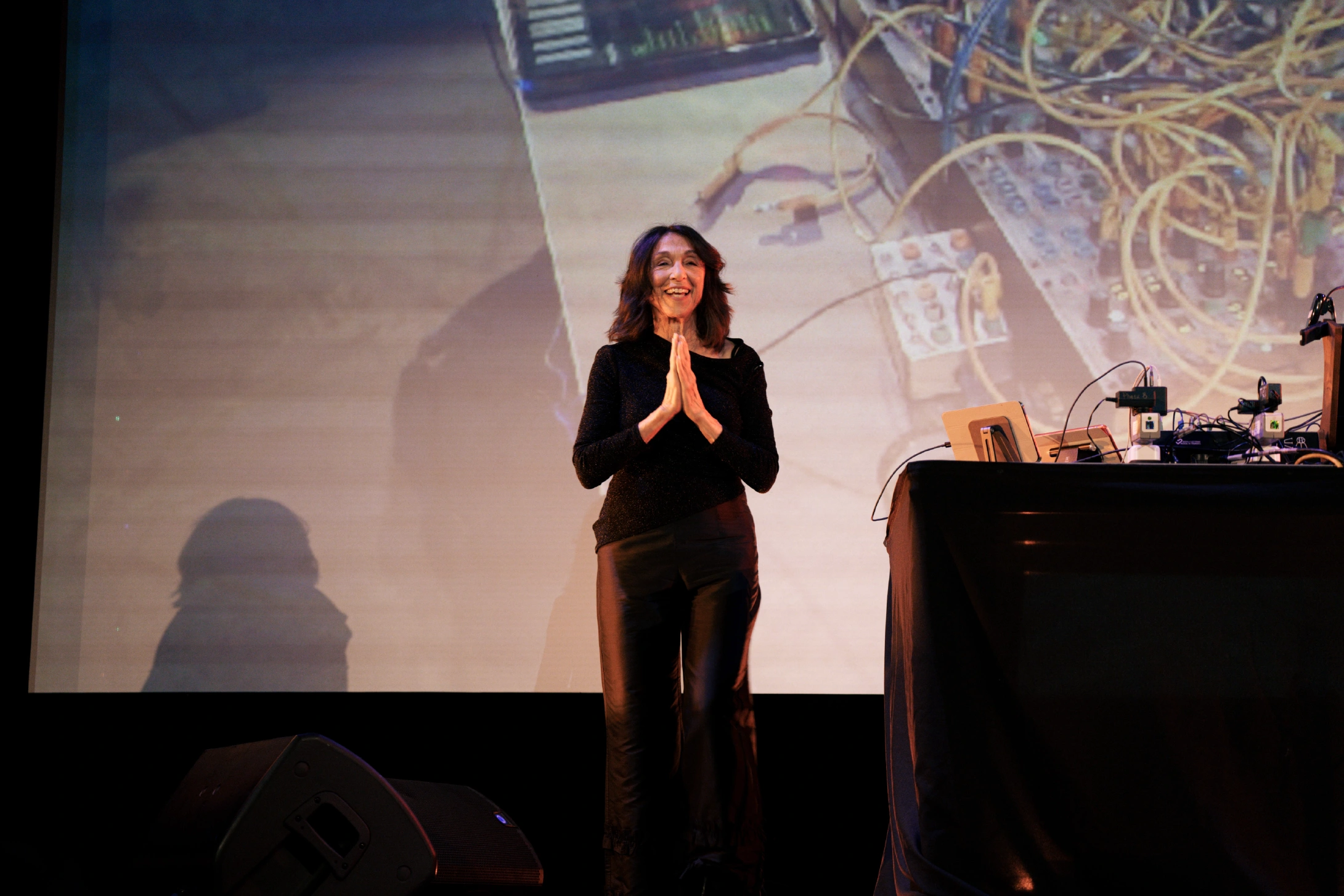
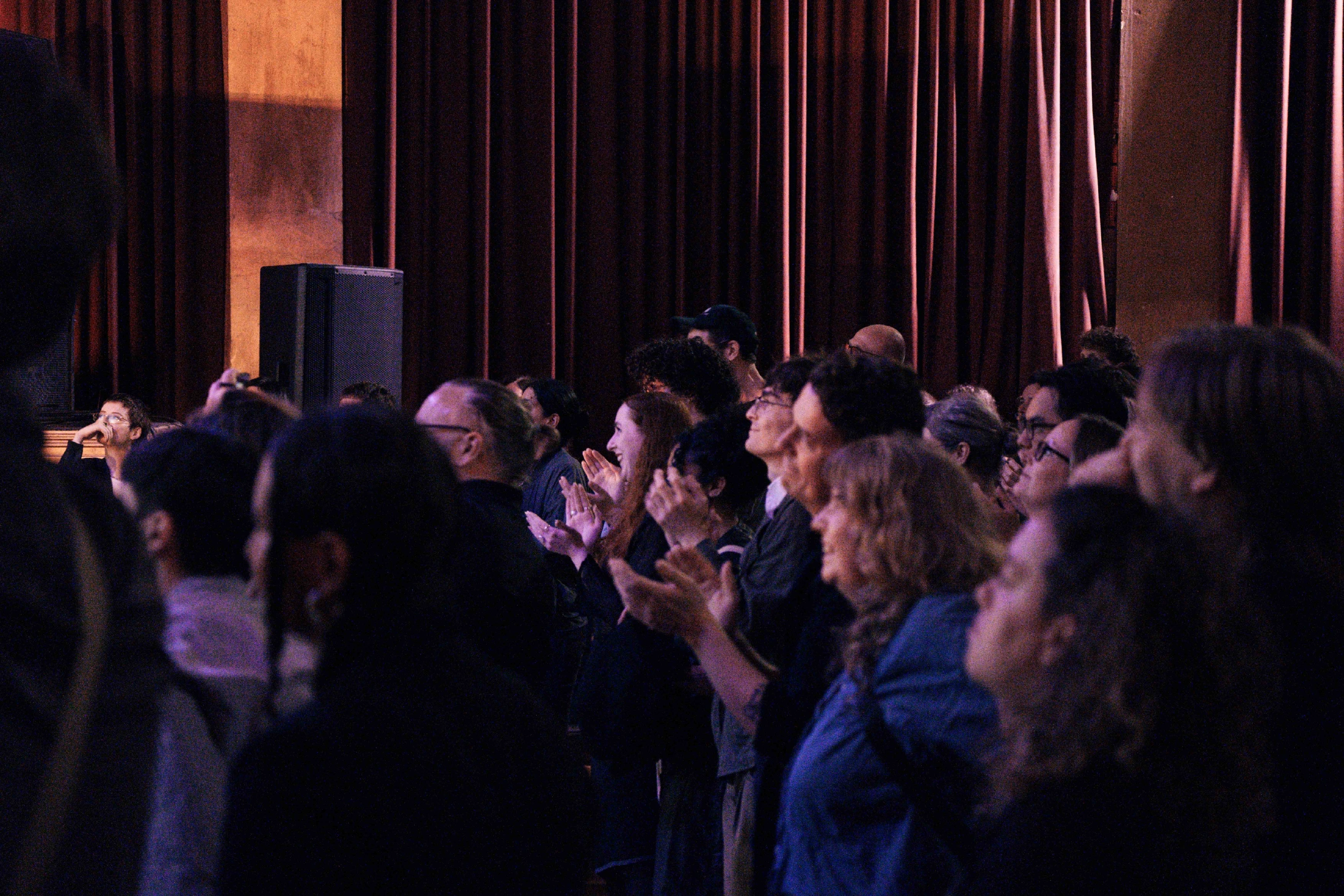
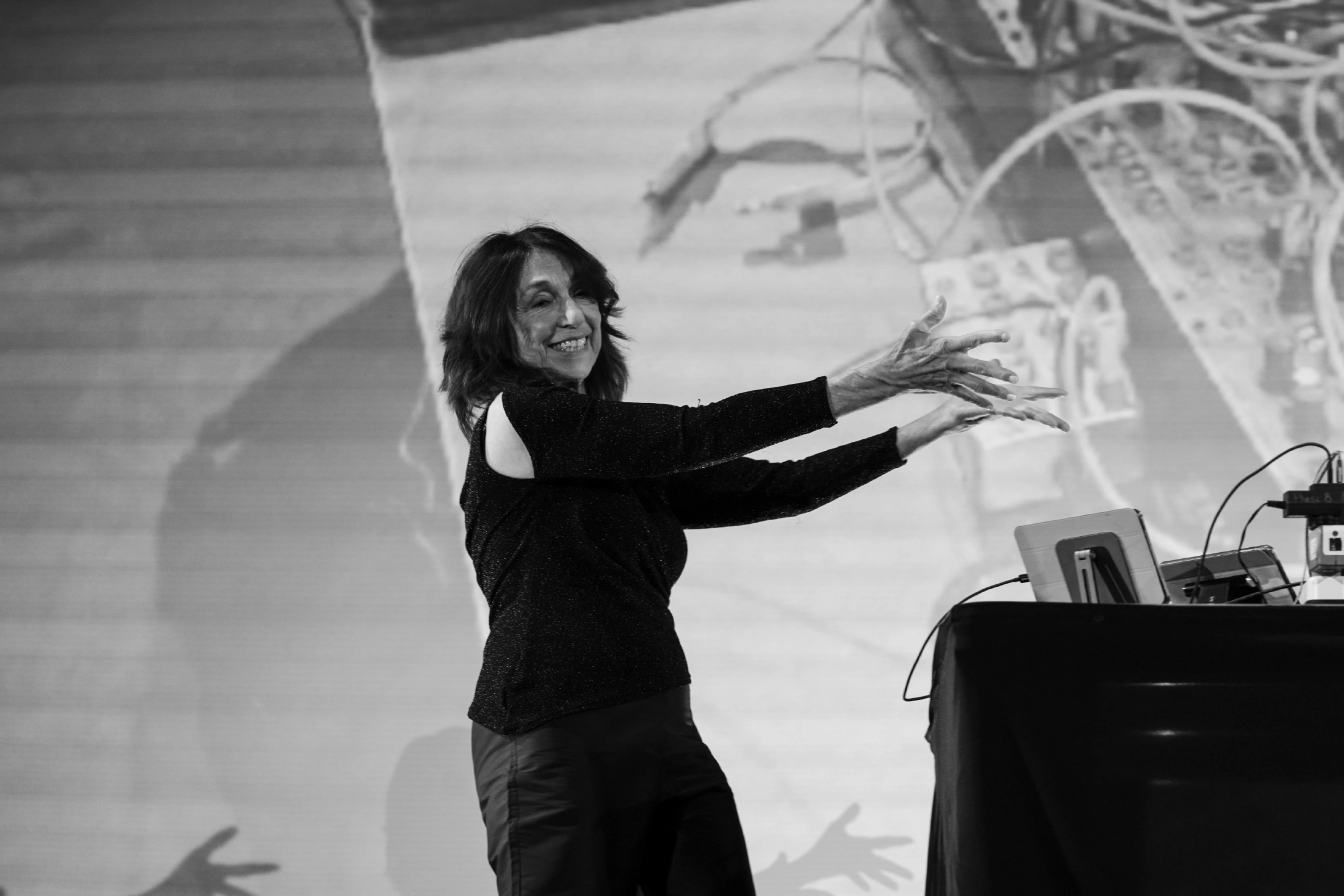
She greeted the audience with real excitement. The cheers and applause that had been held back for more than an hour finally poured out, and went on for a long time. Suzanne gestured towards her equipment as if it were the star of the show. But we all knew that without her hands moving so easily across the controls, it would just be a pile of cold machines.
She picked up the microphone and began introducing the equipment she had used. As she spoke about the big screen, she suddenly realised the live camera feed had never been working. All night, the screen had shown the same still image. We had not seen her operate anything. She looked stunned and could hardly believe it had gone wrong. People in the audience called out, “It’s okay.” From the moment she stepped on stage, she had built such a complete world that no one wanted to break its spell.
Suzanne was still disappointed. She explained that seeing her work was an important part of the show. She wanted people to know that the sounds were being made in the moment, rather than played back from a finished recording. The Buchla 200e does have a memory function, she said, but she does not use it. Every sound in her performance is made live, and each change in the waveforms and frequencies happens in real time.
Some musicians prefer to keep the source of their sounds a mystery. Suzanne is the opposite. She wants people to know where every sound comes from. She is like a mentor, guiding us into the world of synthesisers. That may be why so many people leave comments under her videos about building their own modules and making their own music after being inspired by her.
It is a little like magic. Most magicians would rather you never learned their secrets. But once you know how a trick works, you can admire it from another angle, as a craft. Knowing the secret gives you another way to appreciate the magic. Suzanne does something generous: she shares the magician’s secrets and encourages you to invent your own tricks. That spirit of sharing is incredibly rare and precious.
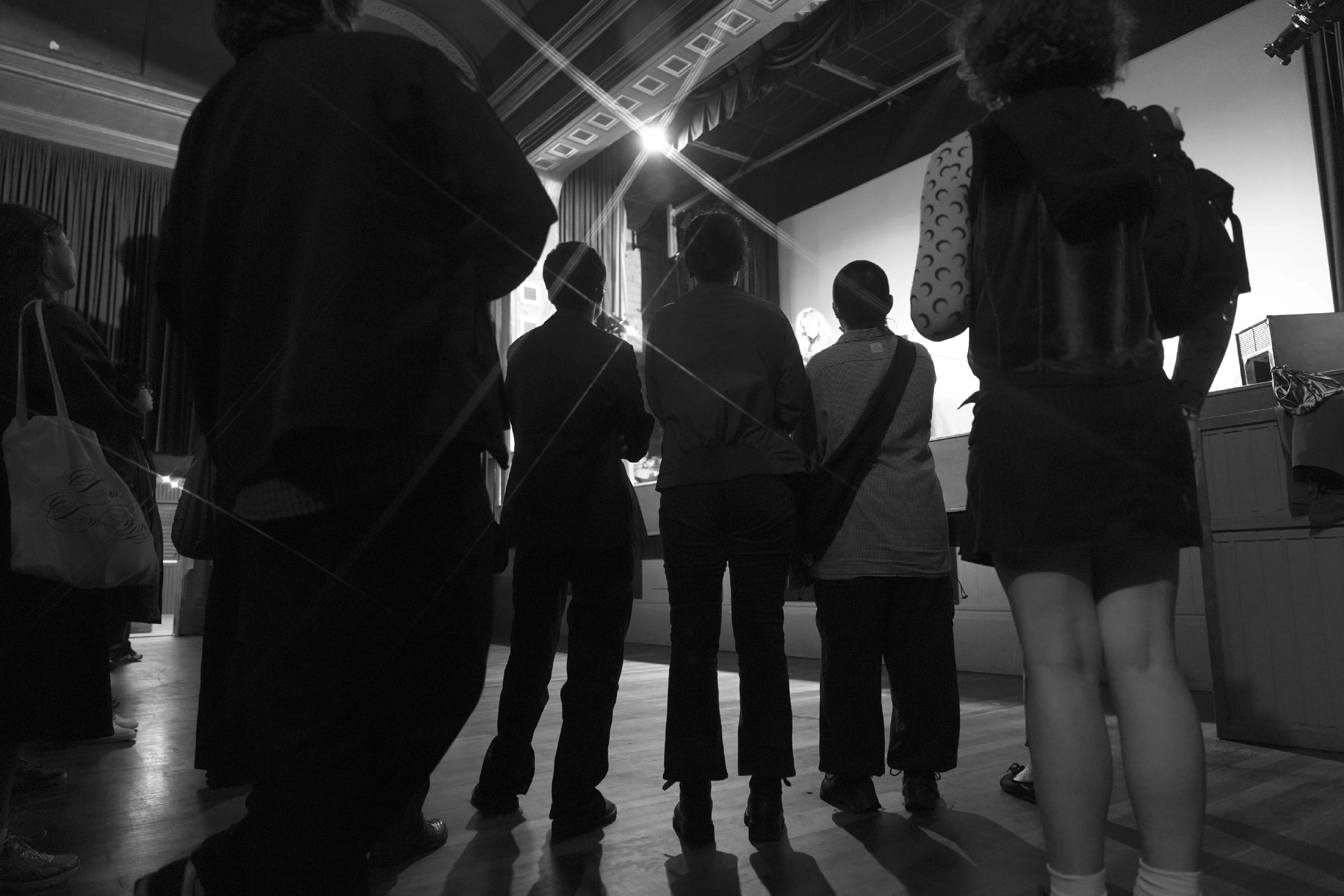
At the end, she even invited the audience on stage. Everyone could come up, see this remarkable machine up close and touch it. She showed us how the sounds were made, how the equipment was connected and how each sound took shape, step by step. If you were curious, you could ask this living synth hero almost anything you wanted to know.
And remember, this American pioneer of electronic music is eighty years old. After many shows, I have seen young rockers finish their set and hurry off to rest on a sofa in the green room. Few come back out to chat or sign things. Suzanne had just played an intense eighty minute set, yet she invited everyone up and patiently explained what she knew. I have never seen anything like it! She has earned every honour she could hope for, yet she remains kind, humble and inspiring. Those diamond bright qualities in a musician of her generation are something all of us can learn from.
After a brief, lucky conversation with Suzanne, I was ready to leave, though a dozen people were still waiting behind me. I walked away still turning over the moving, astonishing night she had brought to Auckland, already hoping she would return before long. New Zealand needs another show, and next time, we need the camera to capture every turn of her hand, every choice she makes, every sound as it comes to life. We need to see her at work. We need her back, soon.

Comments
No comments yet. Be the first to share your thoughts.
Leave a comment